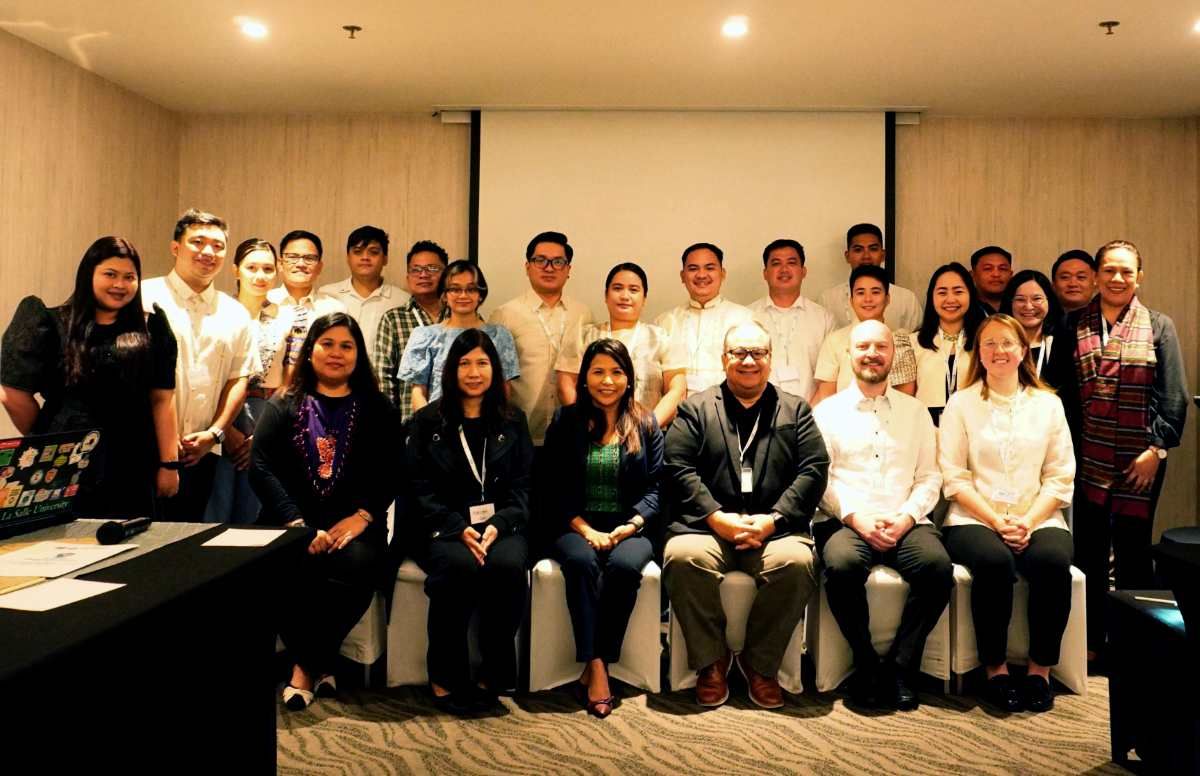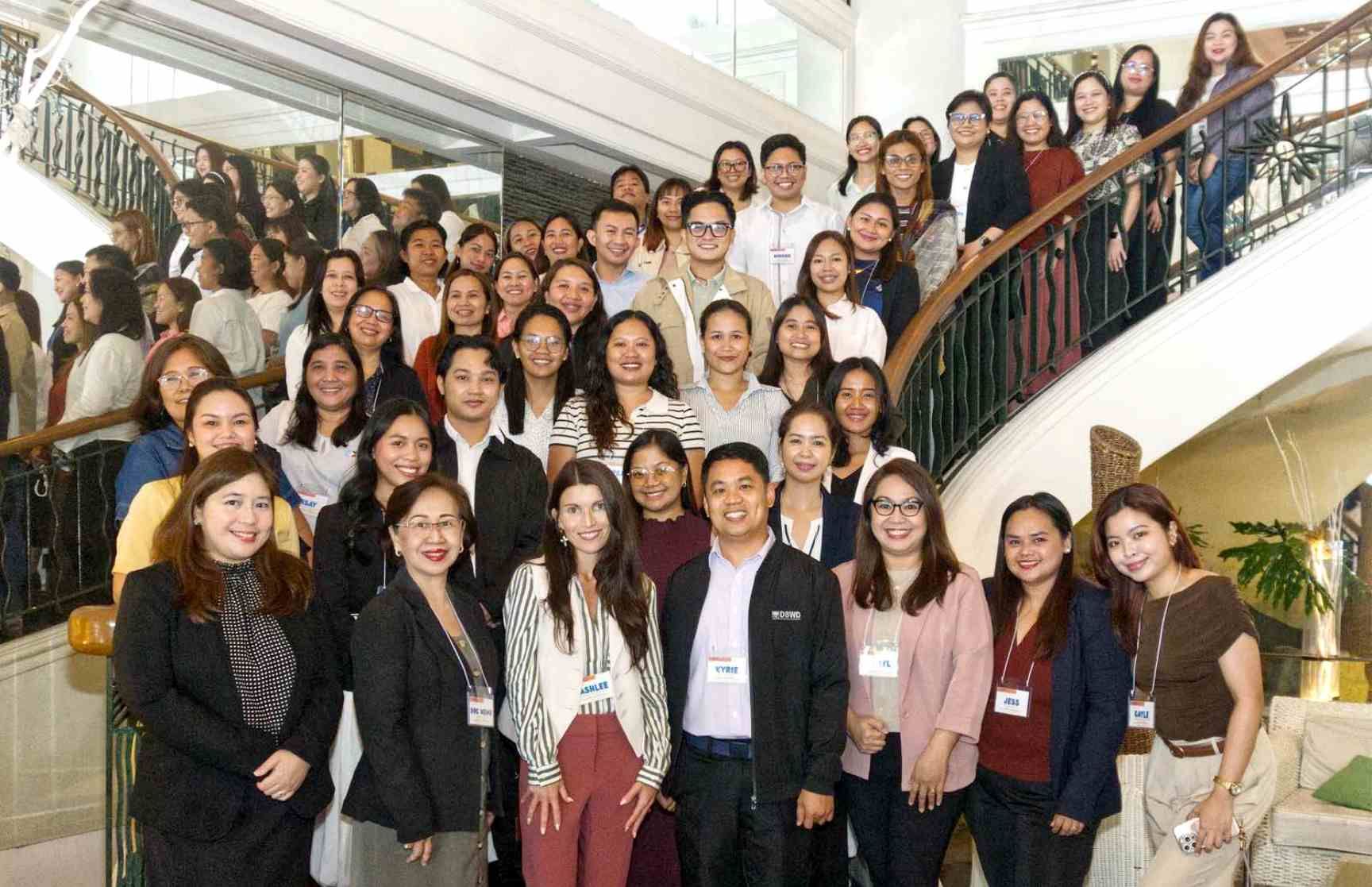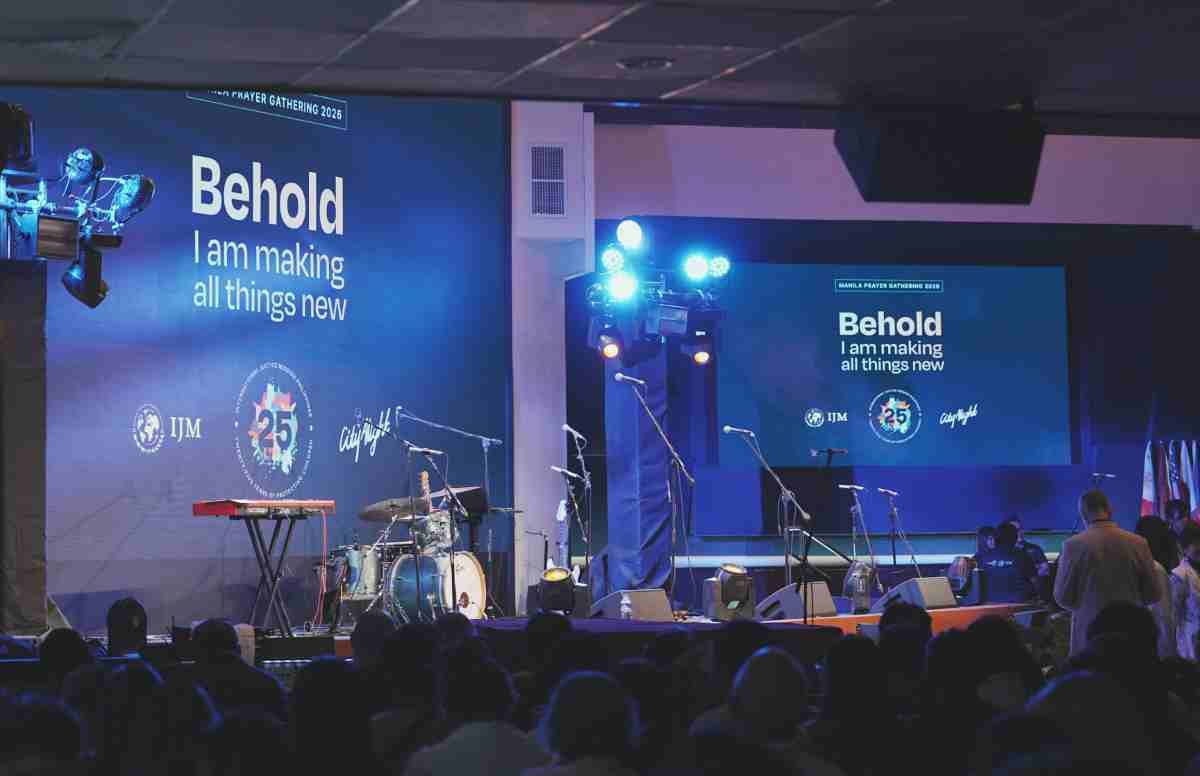
“We are standing in the midst of a powerful history,” said Atty. Sam Inocencio, Country Director of IJM Philippines, at the 2026 Manila Prayer Gathering. Atty. Sam addressed hundreds of attendees, including IJM staff, partners, and supporters at Greenhills Christian Fellowship, Ortigas.
“Today, we behold all that God has done over the past 25 years,” Atty. Sam said. “But we are also standing in the gap of all that still must be done to protect Filipino children.”
IJM Philippines Manila Prayer Gathering 2026
Behold: I am Making All Things New (from Revelation 21:5) was the theme of the Manila Prayer Gathering 2026.
While 2026 marks 25 years of work against child abuse and exploitation, it is also a pivotal year—one in which critical actions are being taken by the Philippine government, including updates to legislation related to child safety and technology, alongside strategies being implemented by national and local government units, IJM, and many partners. These efforts will help shape the future of child protection in the Philippines for decades to come.
Yet as we look ahead, we are keenly aware of both the magnitude of the challenge and the work that remains. The promise of Revelation 21:5 turns our eyes to the One who makes all things new, as we continue to pray and labor in faith.
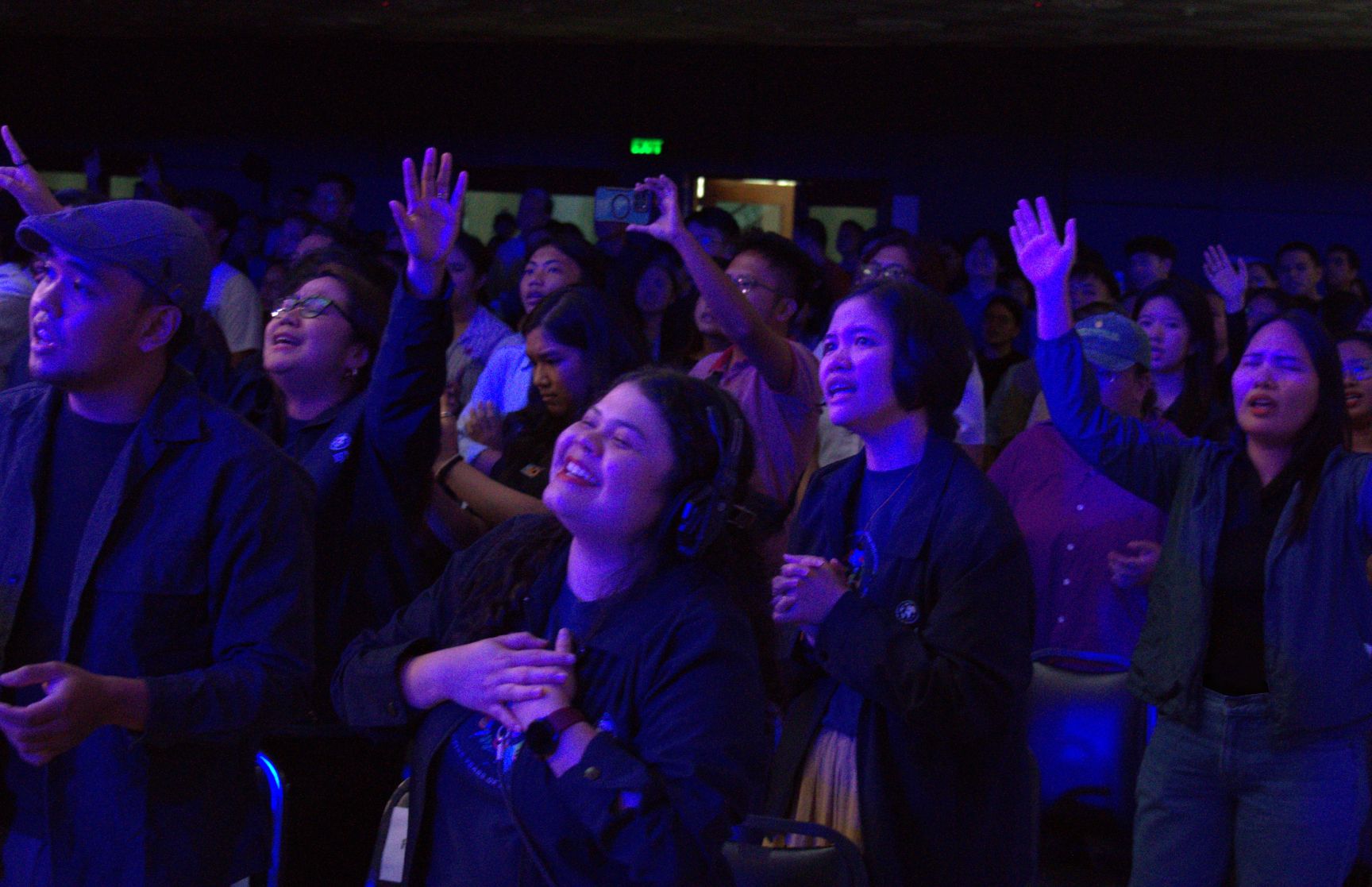
Worship ministry CityAlight from St. Paul’s Castle Hill Church, Sydney Australia, long-time partners of IJM, led worship throughout the gathering, with songs that point to the power of God, humble our hearts, and strengthen our faith. The Philippine Survivor Network Choir, Philippine music ministry team and past MPG worship leaders Gloryfall, and the Homeschool Global Chorale also participated in leading worship.
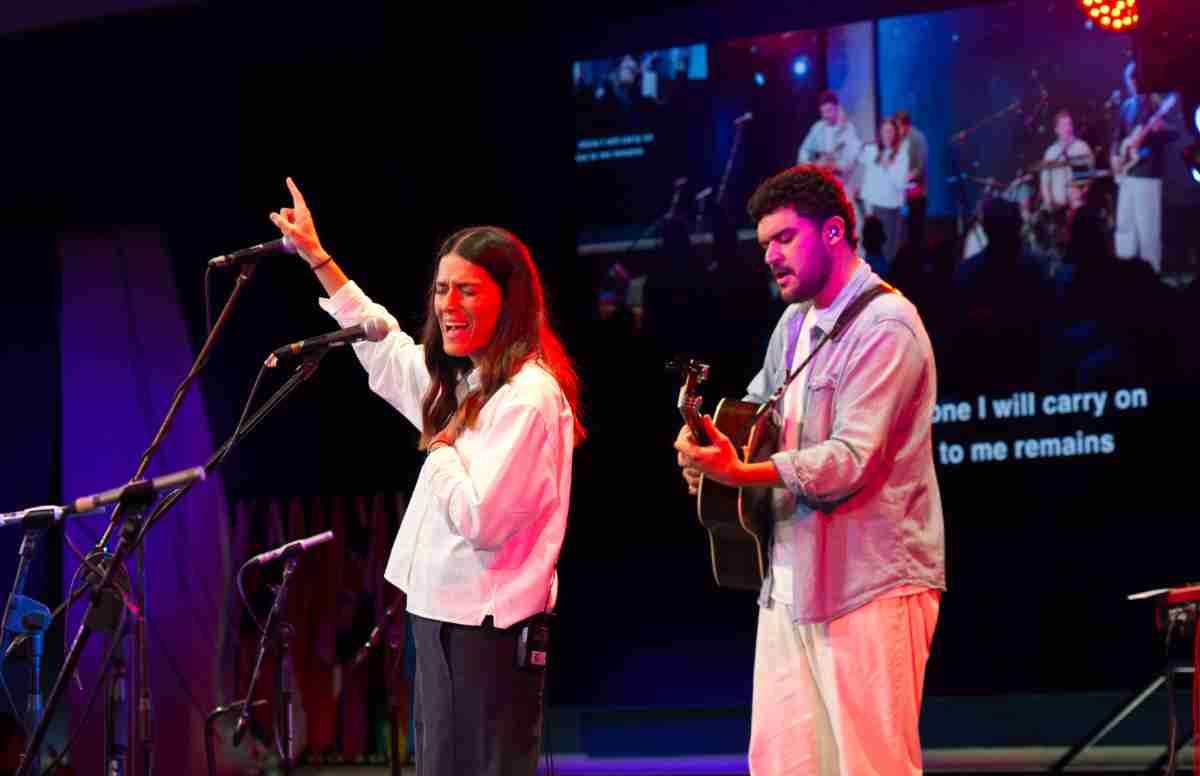 CityAlight
 CityAlight
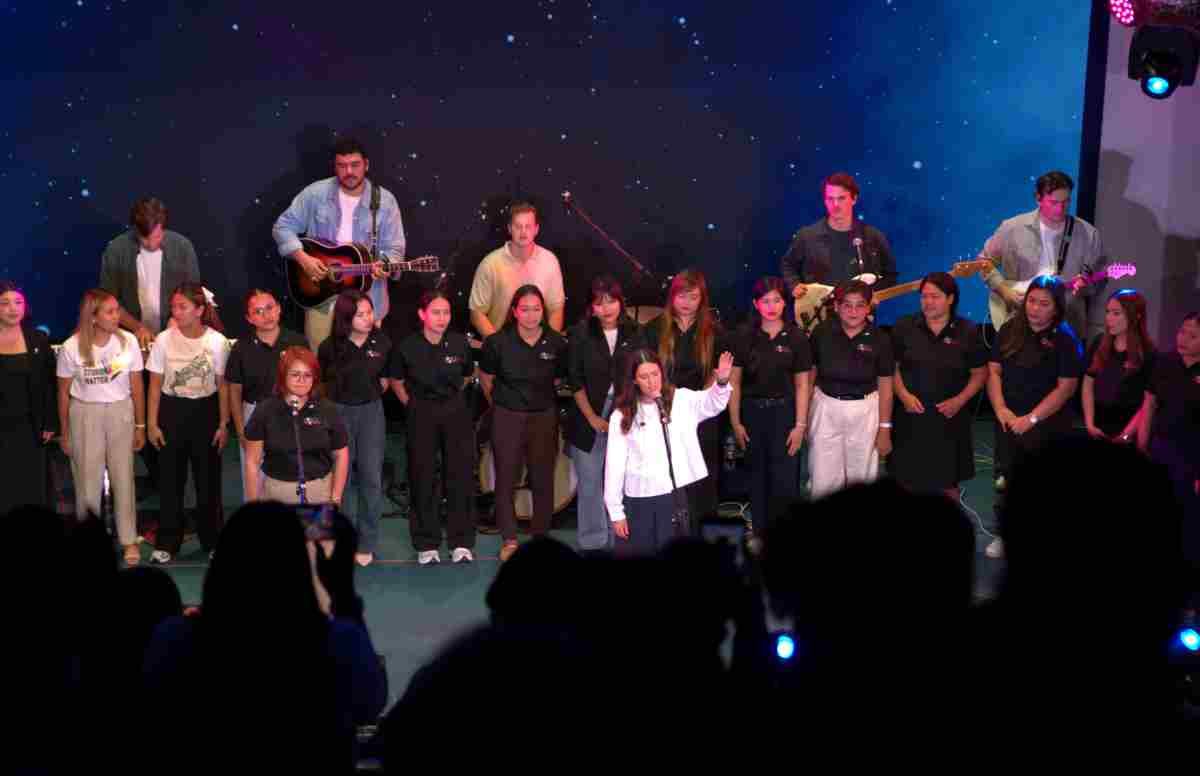 With the PSN Choir
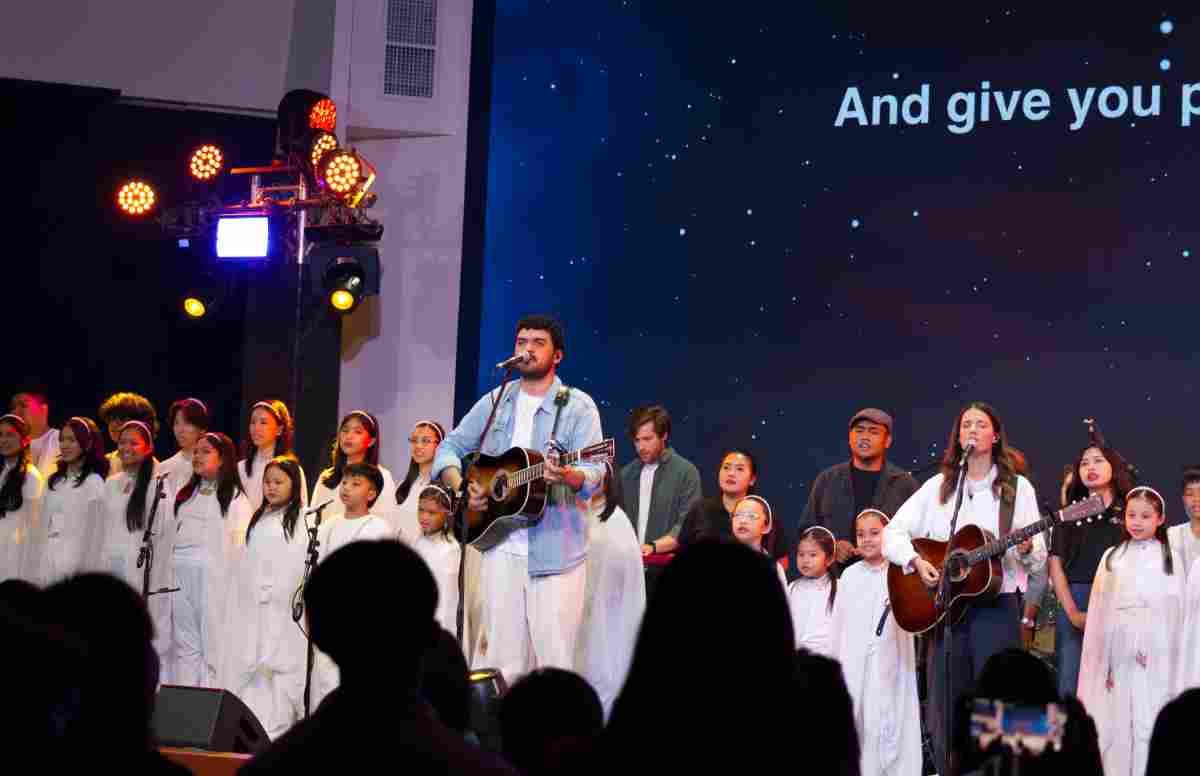 With the Global Homeschool Choir and Gloryfall
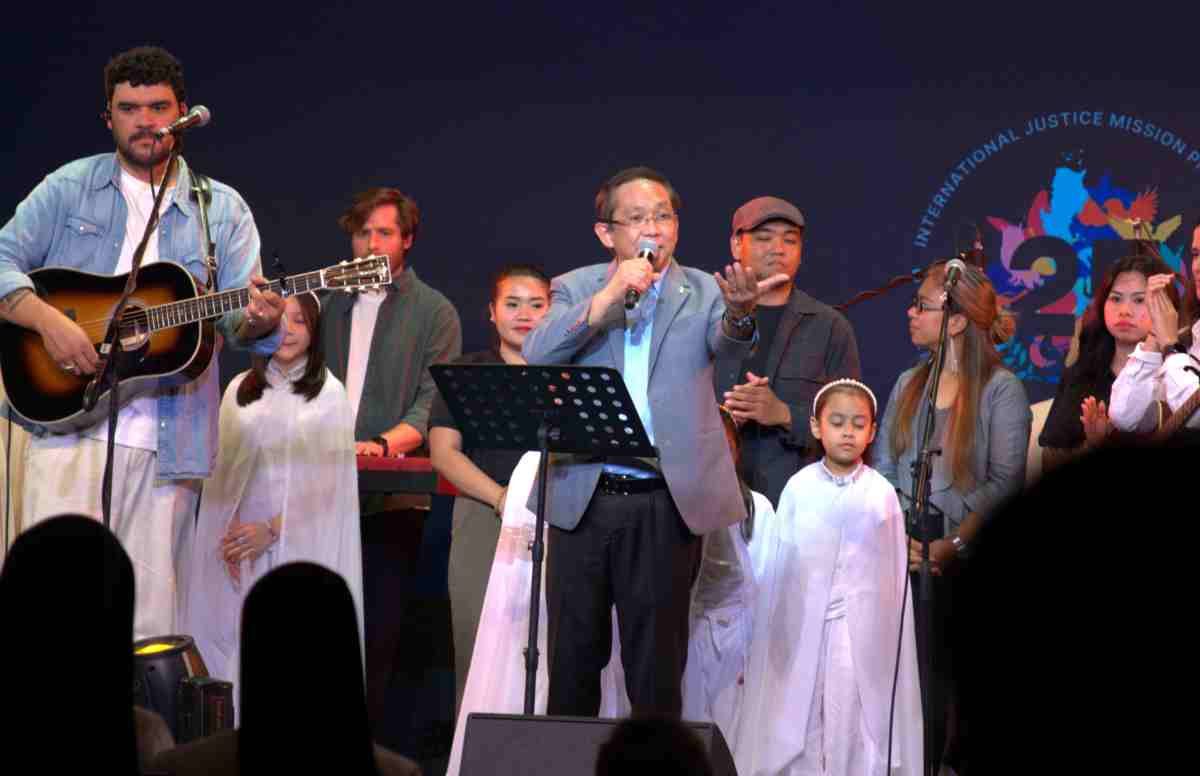 Pastor Larry of Greenhills Christian Fellowship
Partner testimonies
ASEC Michelle Anne Lapuz of the Department of Justice shared her story, recalling the moment she realized the gravity of online sexual exploitation of children (OSEC) in the Philippines while attending a conference in Vienna, and the determination that welled up within her, to confront the problem.
ASEC Lapuz also celebrated the partnership between DOJ and IJM and called for stronger united action. "As a duty bearer, as someone working in government, I cannot underscore [enough] how we cannot do it alone. We need everyone's participation here. And I want to thank the IJM for your 25 years of service and leadership towards this one goal of making sure that together we create a future where every child is free and safe from all forms of exploitation and abuse."
Survivor Leader Aira of the Philippine Survivor Network shared her story and declared boldly, “As we gather in prayer and commitment, may we choose protection over silence, dignity over shame, and action over fear. Let this be our renewed commitment: to build a world where every child is safe, every survivor is heard, and abuse and exploitation no longer have a place to hide.”
Patricia, a survivor leader and member of the Philippine Survivor Network (PSN), introduced HOPE U Protect, a digital campaign created by the PSN and invited the audience to participate.
Led by adult survivors of child sexual exploitation, the campaign’s goal is to teach children how to recognize safe and unsafe situations and where to seek help, support parents and communities in guiding and protecting children, and partner with local governments to pass and enforce anti-OSAEC ordinances.
“To every parent, teacher, church leader, youth leader, barangay leader, and community member here today—your role matters,” Patricia said. “You do not need to be an expert to protect a child. You only need to care enough to listen, to notice, to speak up, and to take action. To my fellow survivors—your voice matters. Your story matters. Your courage is already bringing hope.”
Watch as Survivor leader Patricia introduces the survivor-led HopeUProtect Campaign:*
Praying for lasting, systemic change
Atty. Sam emphasized that “Pursuing protection that lasts requires more than addressing individual cases… It requires removing what causes harm, strengthening systems of protection, and repairing the damage.”
Pastor Bruce Stanley from St. Paul’s Castle Hill Church led the group in focused prayer on the big changes we hope to see in the systemic approach to child protection: disrupting the crime, strengthening justice systems, supporting responsible leadership, and equipping communities to prevent and report abuse.
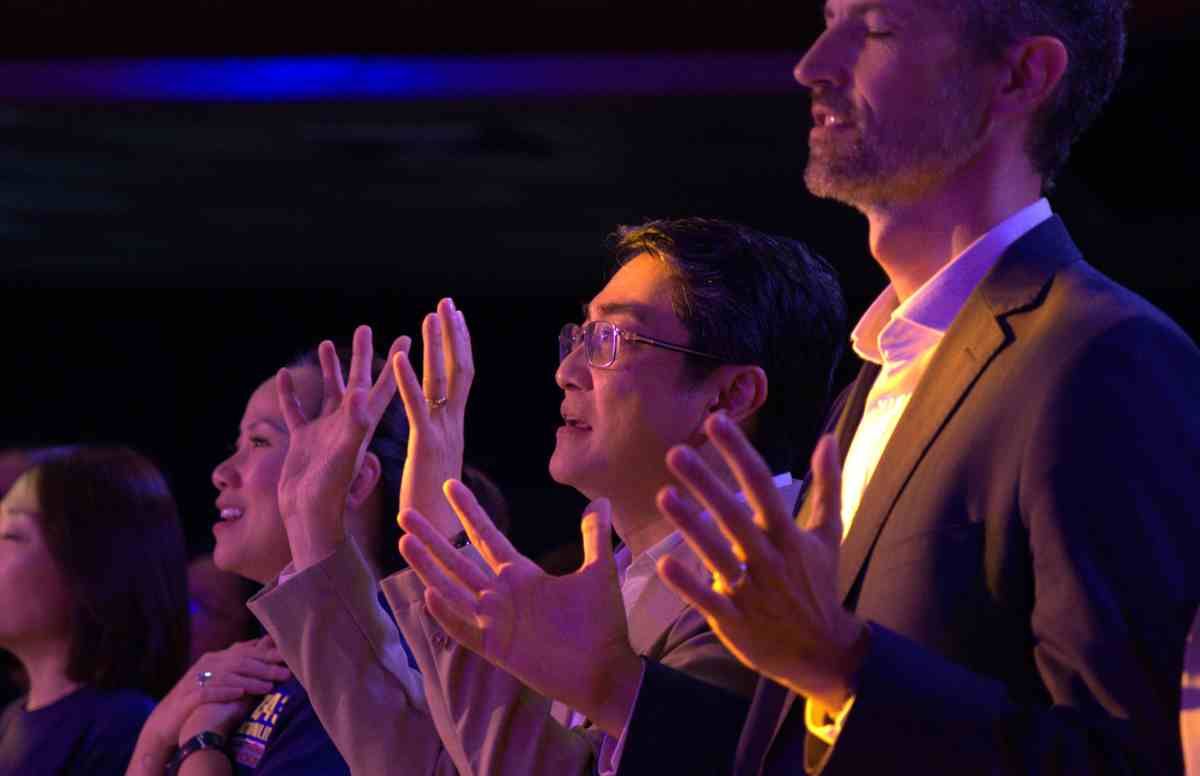
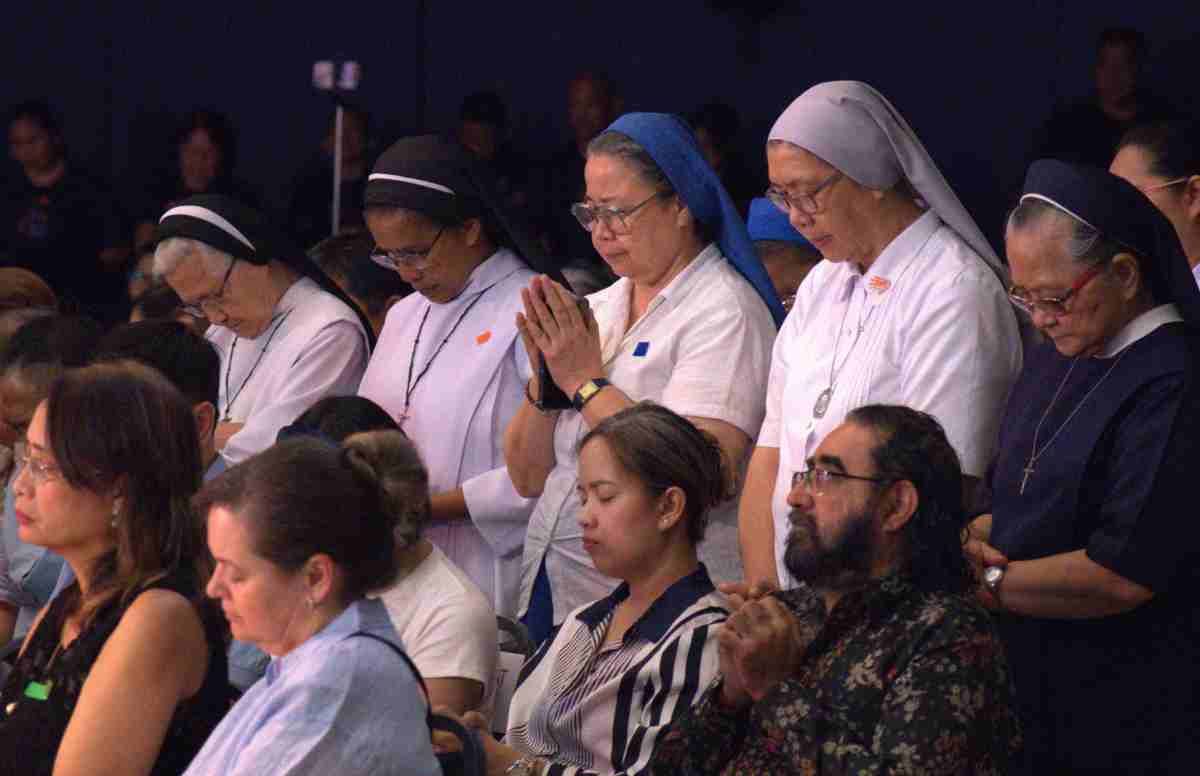
We prayed for community responses—for individuals to find the courage to report abuse, support survivors, and proactively protect children where they live.
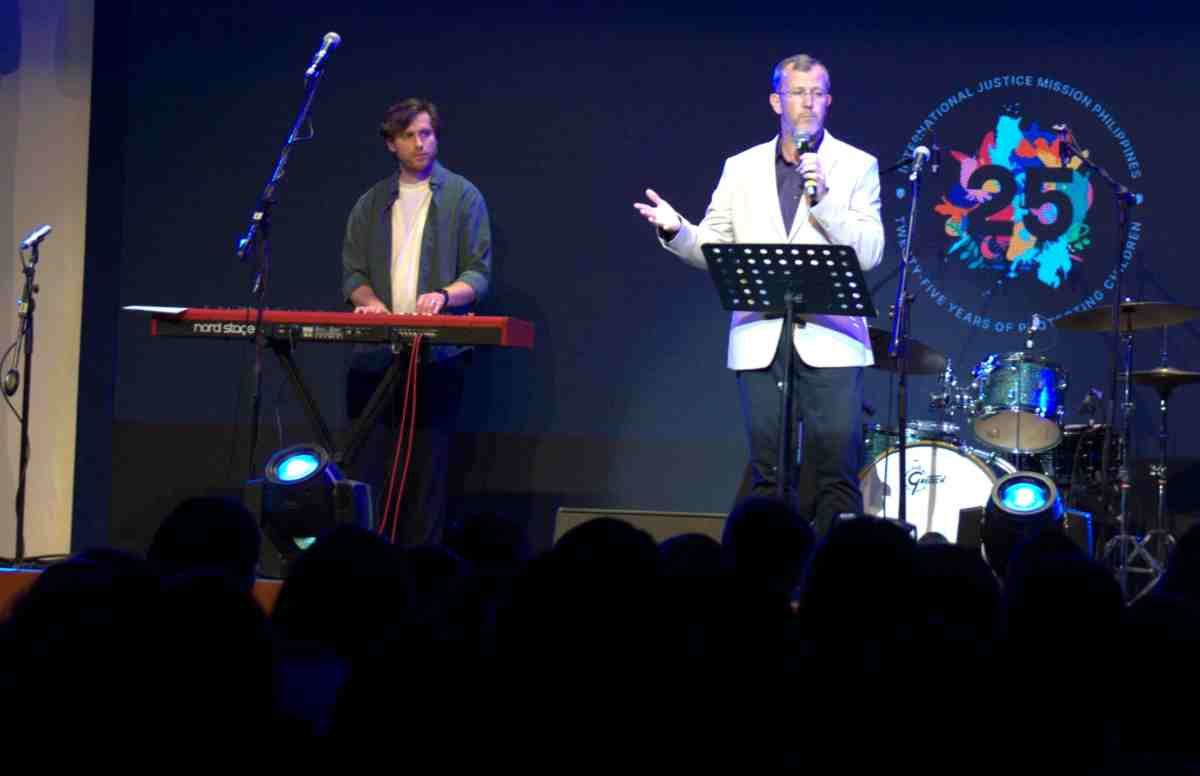 Pastor Bruce Stanley
United prayer was also raised for the success of PSN’s HOPE U Protect campaign, as they work to engage students, community members and local government officials to support the protection of children from online sexual exploitation.
Twenty-five years of protecting children: remembering what got us here
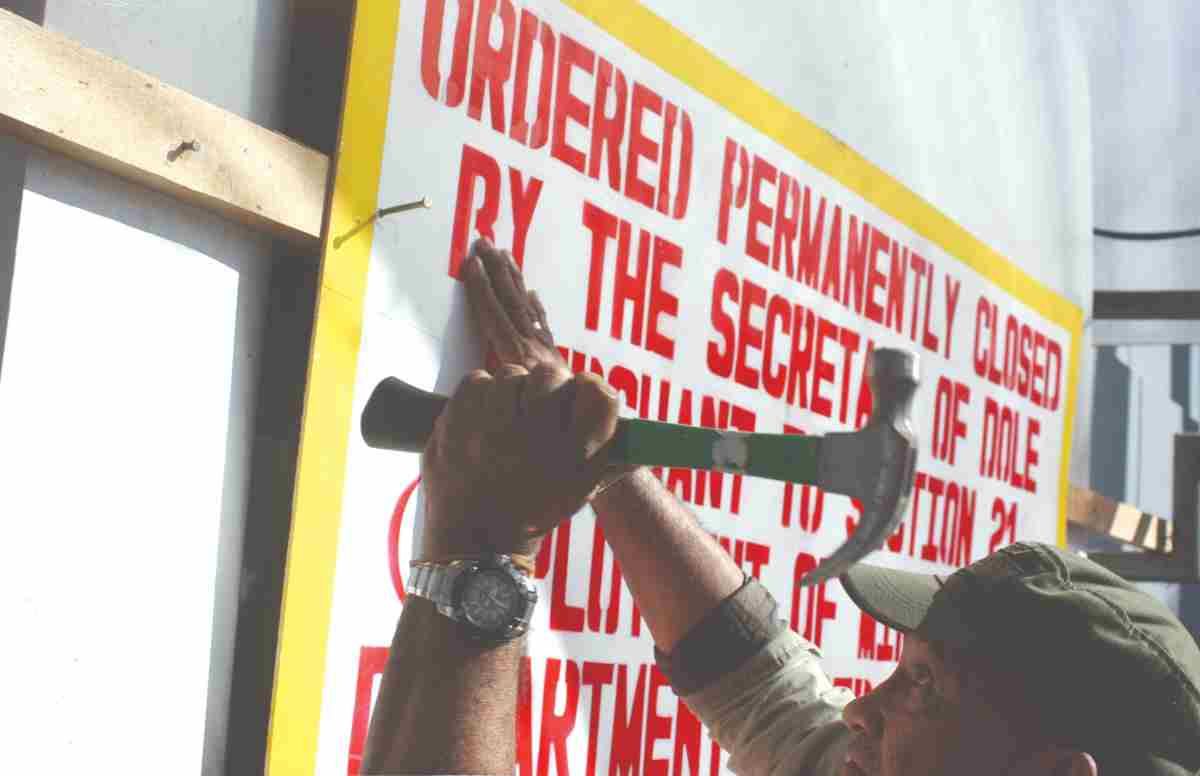
In 2001, International Justice Mission, an anti-slavery organization established in 1997 in Washington D.C., set up its office in the Philippines. A case involving the commercial sexual exploitation of children led to IJM Philippines' first conviction in 2002 and the beginning of a decade-long battle against the crime that would cover three of its hotspots in the Philippines: Manila, Cebu, and Pampanga.
By the end of IJM's program against commercial sexual exploitation of children in the Philippines, impact studies conducted by third parties confirmed that IJM’s work contributed to a drastic reduction of minors in commercial sex in Angeles City by 86%, a 75% reduction of commercial sexual exploitation of children in Manila, and a 72% reduction in the prevalence of child sex trafficking in Metro Cebu.
But it was not the end of IJM’s child protection efforts. While all this was happening, the internet was becoming increasingly mainstream and accessible in the Philippines, and was used by abusers and perpetrators to commit child sexual exploitation online. Paying abusers from western countries lured Filipino perpetrators to livestream sexual abuse of Filipino children. By 2016, IJM Philippines was fully focused on addressing this tech-enabled crime.
By 2020, nearly a thousand children had been rescued from online sexual exploitation. Yet the crime continued to spread rapidly, enabled by technology and fueled by demand from Western offenders, who moved from the dark web to mainstream social media, video calling, and messaging platforms.
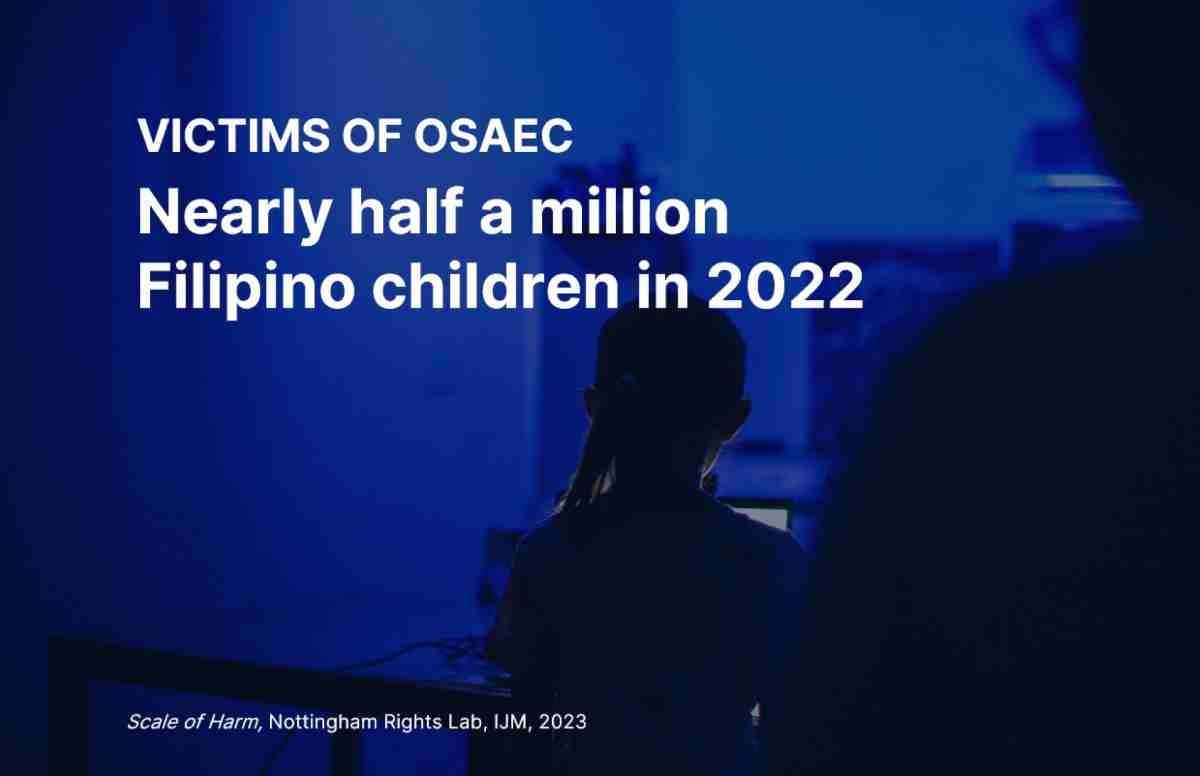
In 2022, IJM and Nottingham Rights Lab conducted a study, which estimated that close to half a million Filipino children (or 1 in every 100 Filipino children) were victims of livestreamed sexual abuse in 2022 alone. This was a sobering picture of just how many had fallen victim to online sexual exploitation.
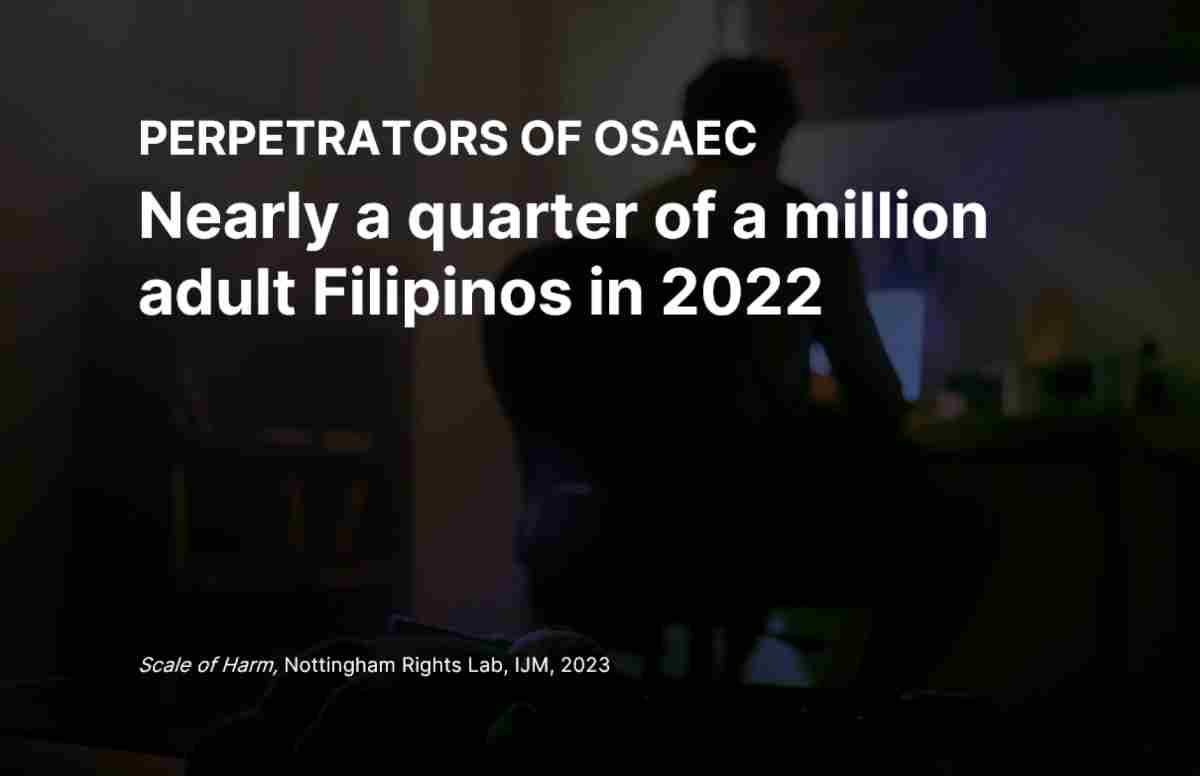
OSEC is a crime that scales so easily, and to defeat this crime, we need a solution that can address its persistence and scalability. In 2025, IJM Philippines identified the three main drivers of the crime: it’s easy, low-risk, and profitable. And how it can be stopped: make OSEC risky and difficult to commit.
These key insights led to a focus on: first, disrupting the crime’s modus operandi through partnerships with financial and tech companies and related government organizations and partners; and second, systemic change – partnering with the national government and selected local governments in strengthening OSEC response and deterrence where the crime is concentrated – from both the national level, to grassroots and community-based responses.
More on IJM’s work here.
Looking ahead, towards the next 25 years
IJM has long championed the belief that protecting children requires a whole-of-nation response, bringing together government, law enforcement, civil society, communities, and families.
The work continues to require endurance, commitment, and the involvement of many sectors—from local communities and churches to government agencies, financial and technology companies, advocates, and survivors themselves.
The Philippines has come far: government leaders have dedicated resources to end OSAEC, financial and technology companies have taken greater responsibility, survivors have courageously shared their stories, and communities have stood together in prayer and action.
The path forward may be long and difficult, but the progress of the past 25 years reminds us that transformation is possible. While much remains to be done, this progress renews our faith and hope as we continue the fight together until all are free.
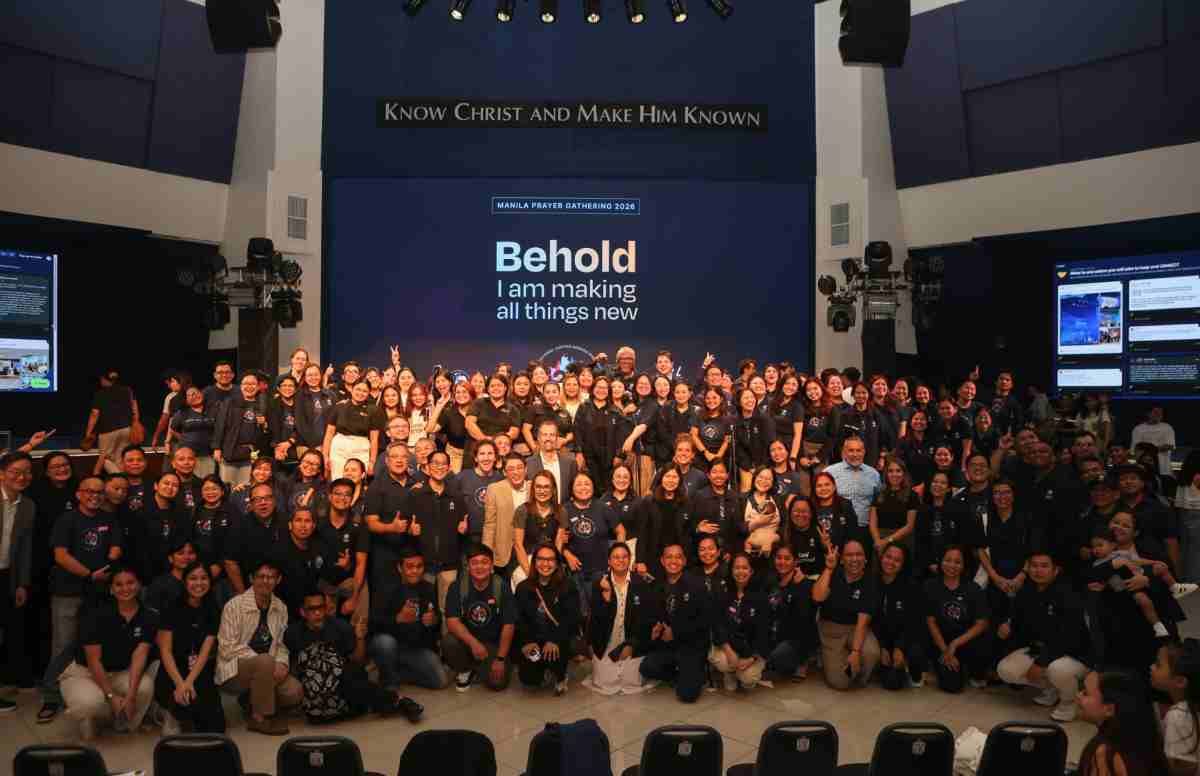 The IJM team