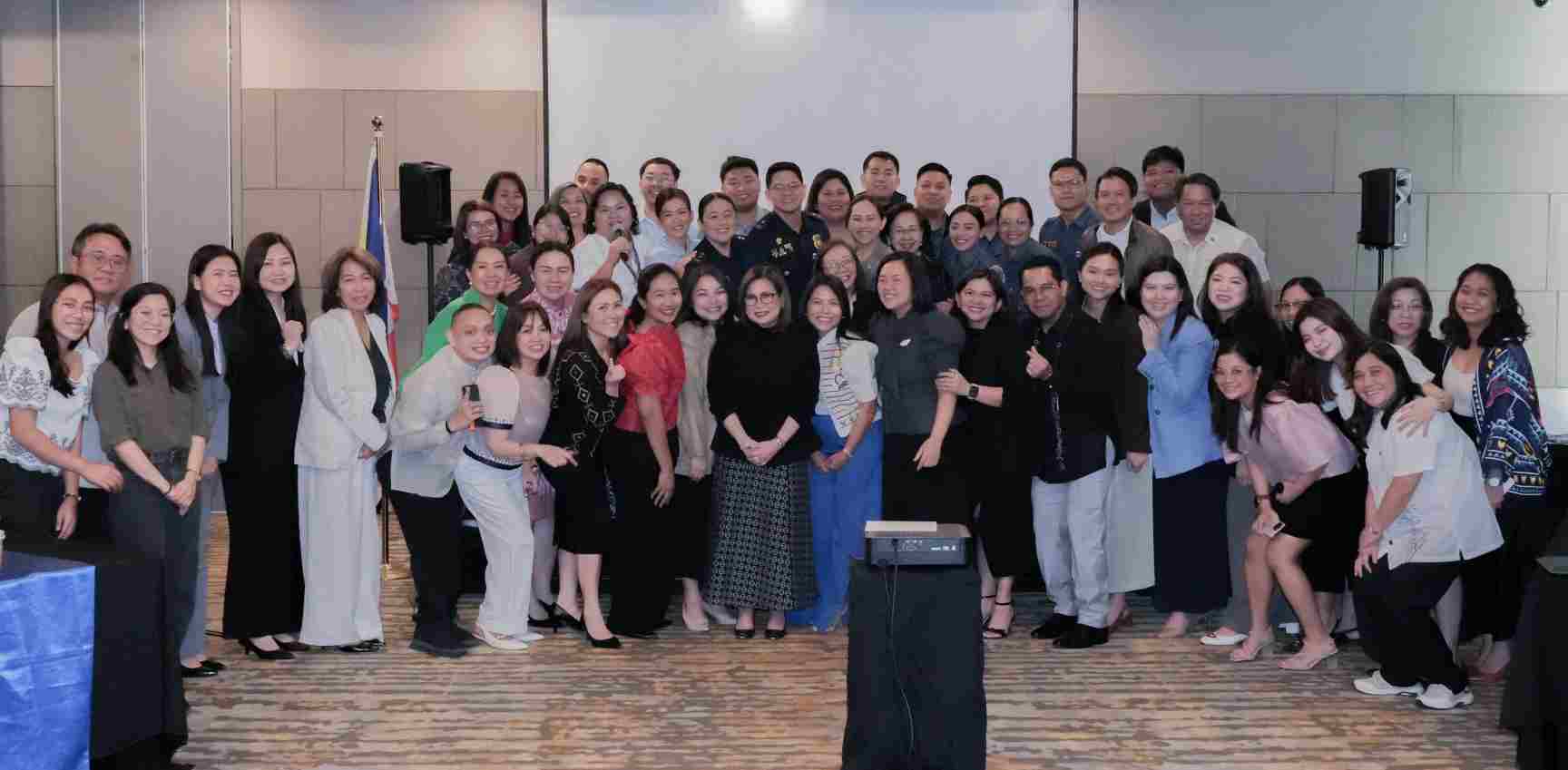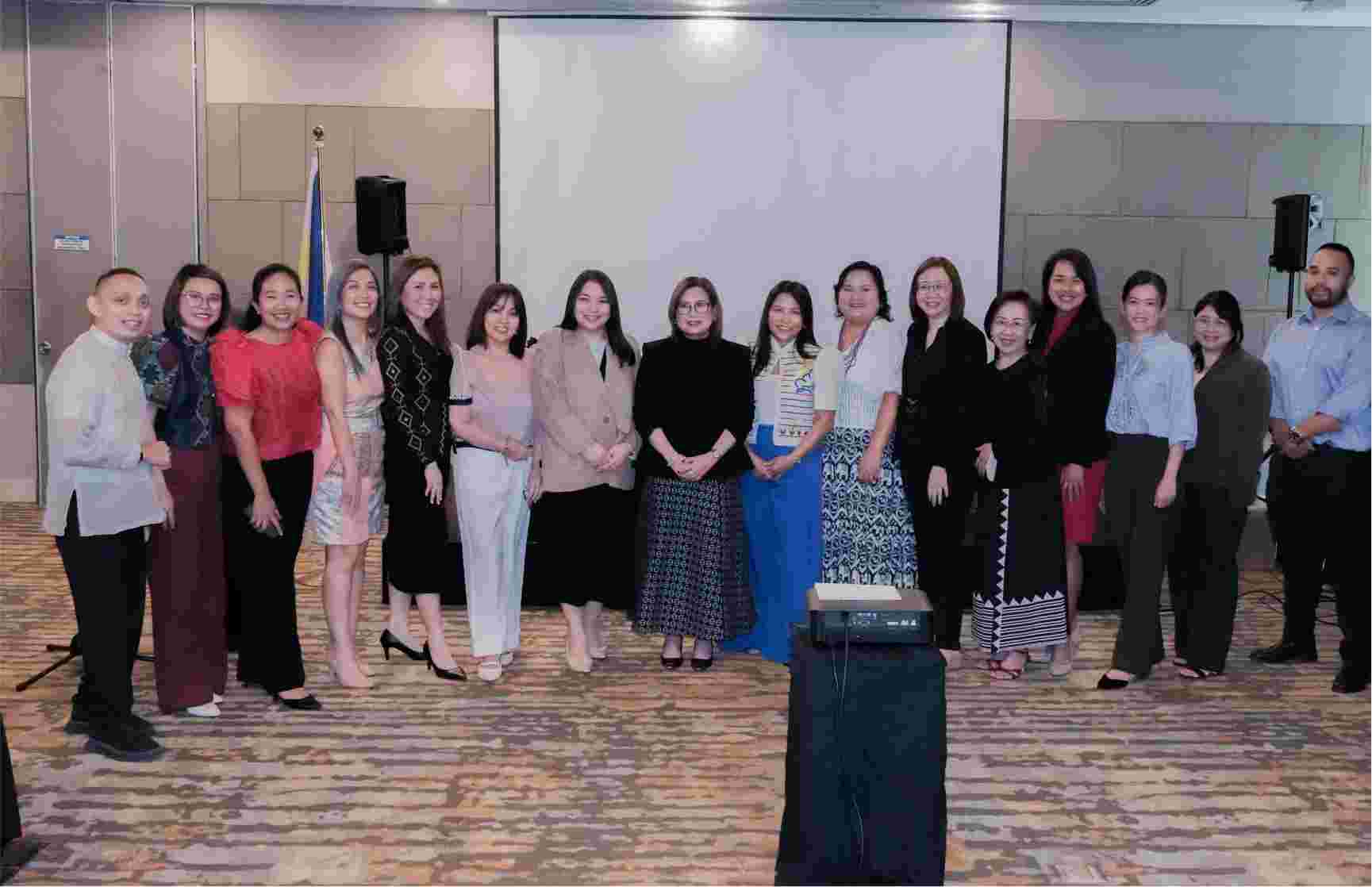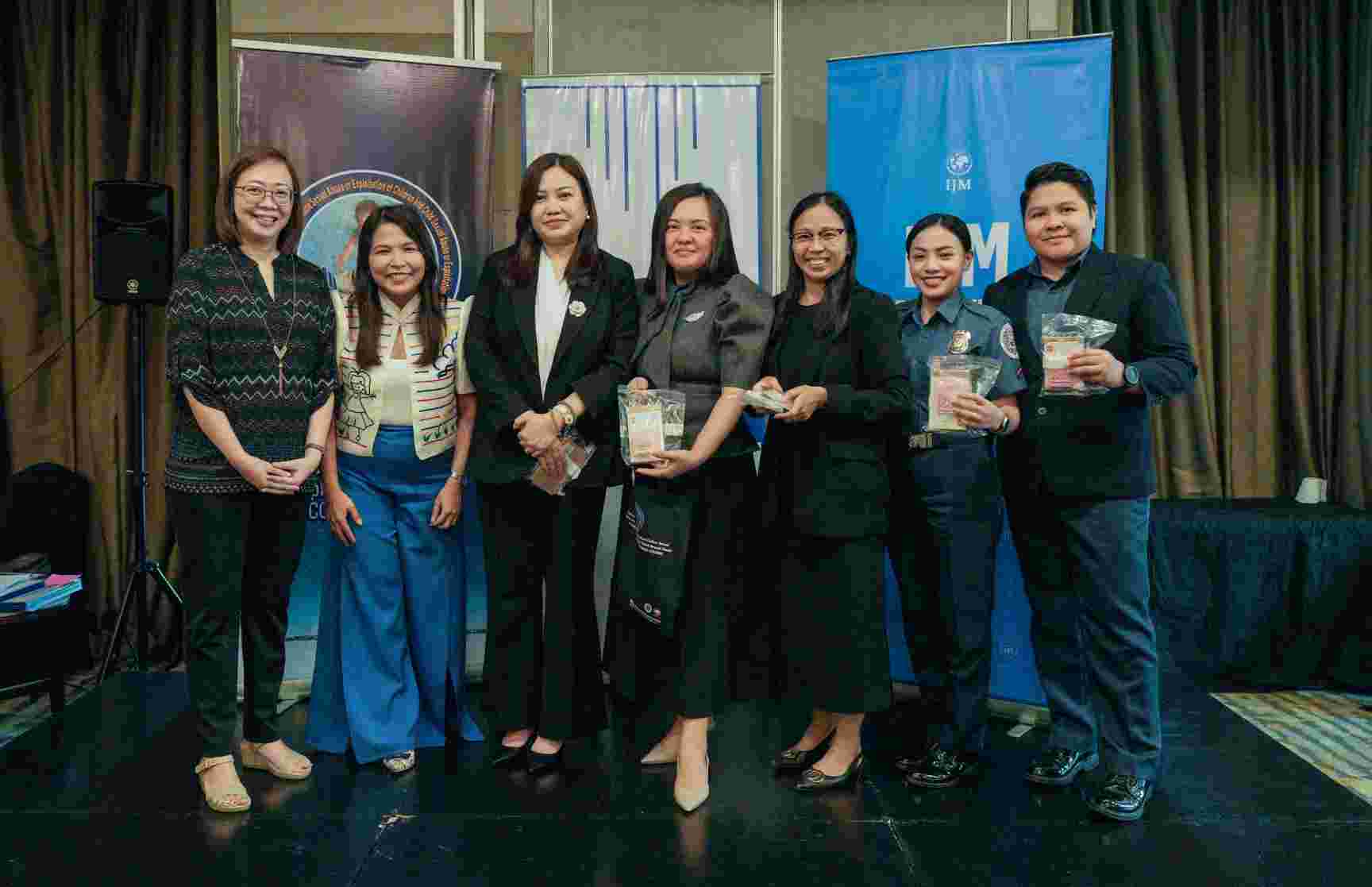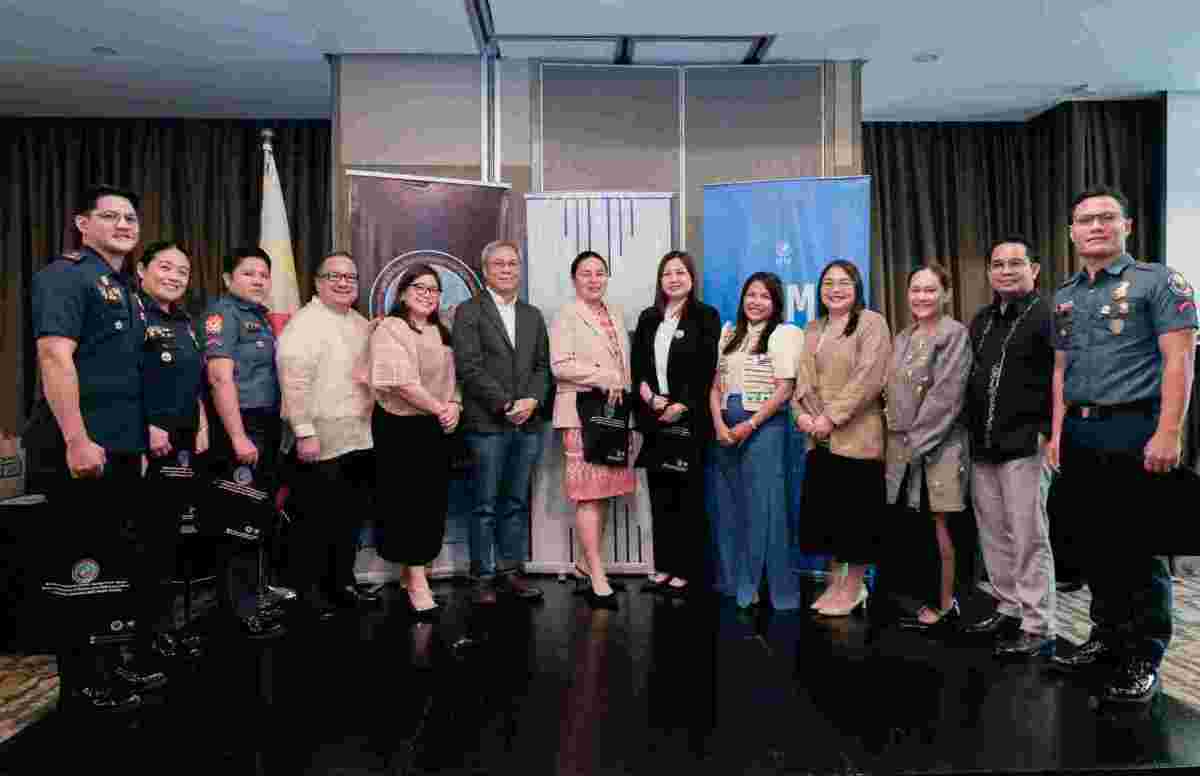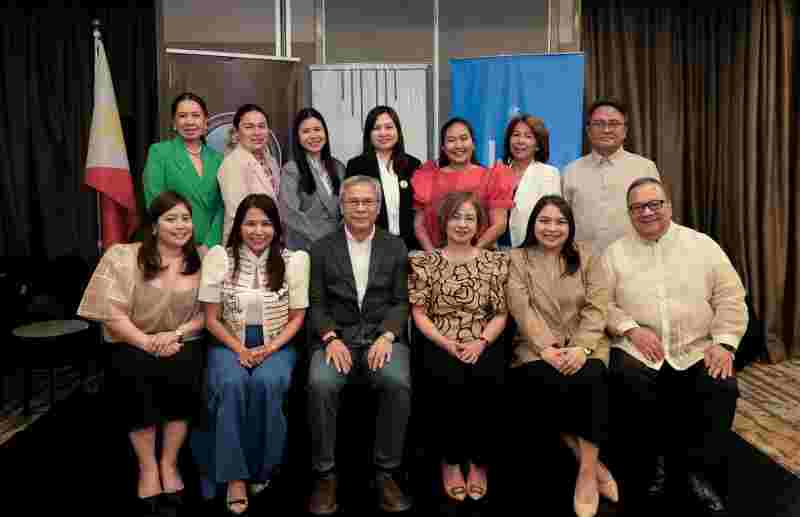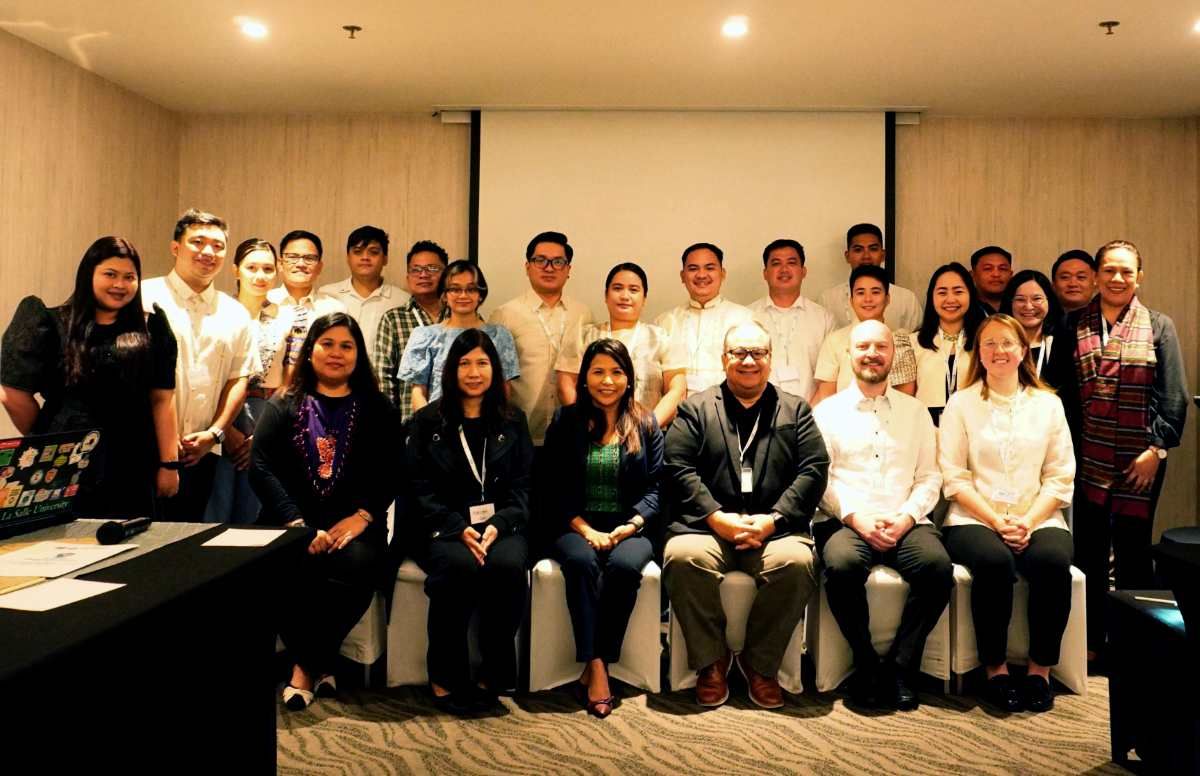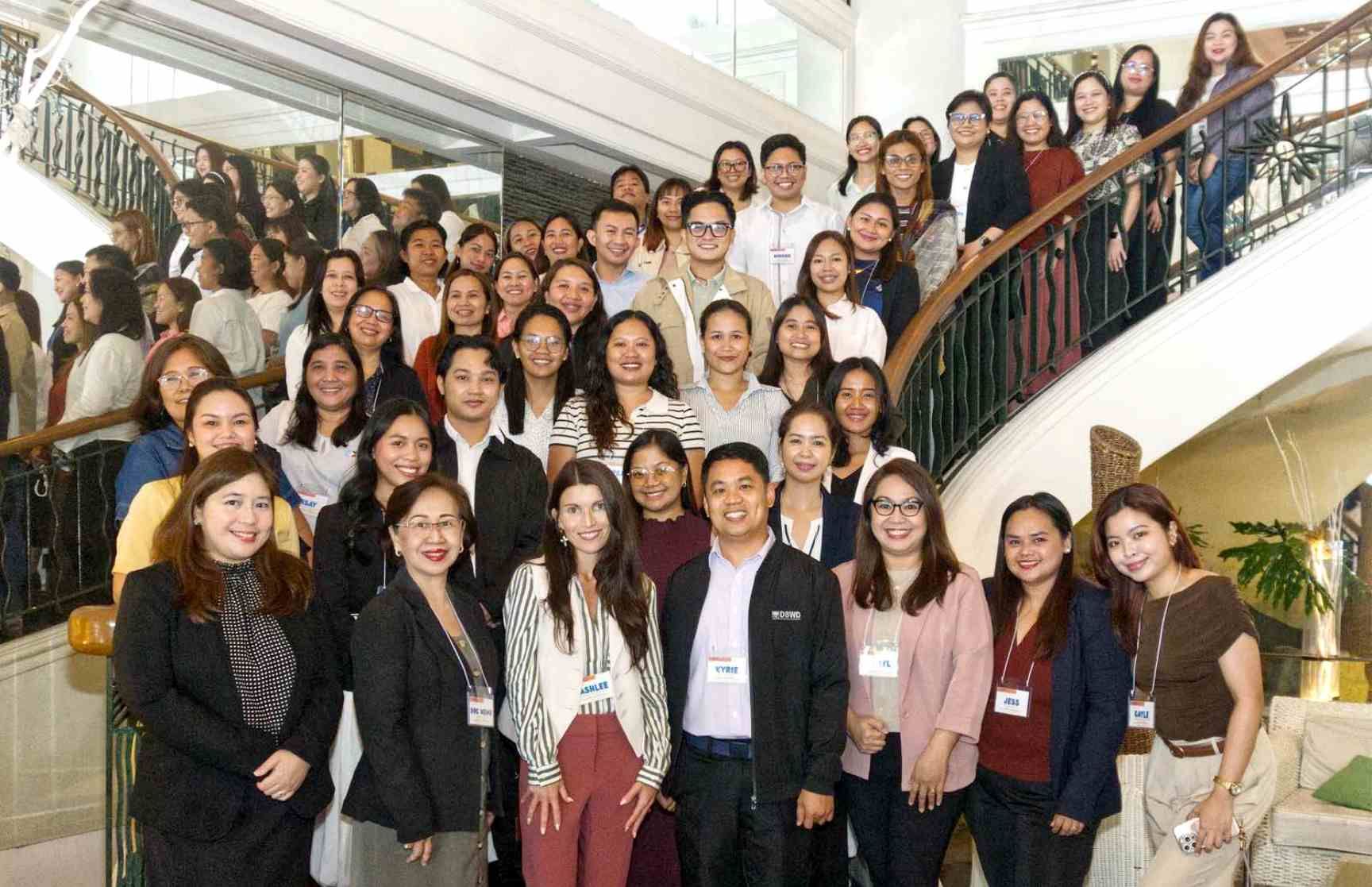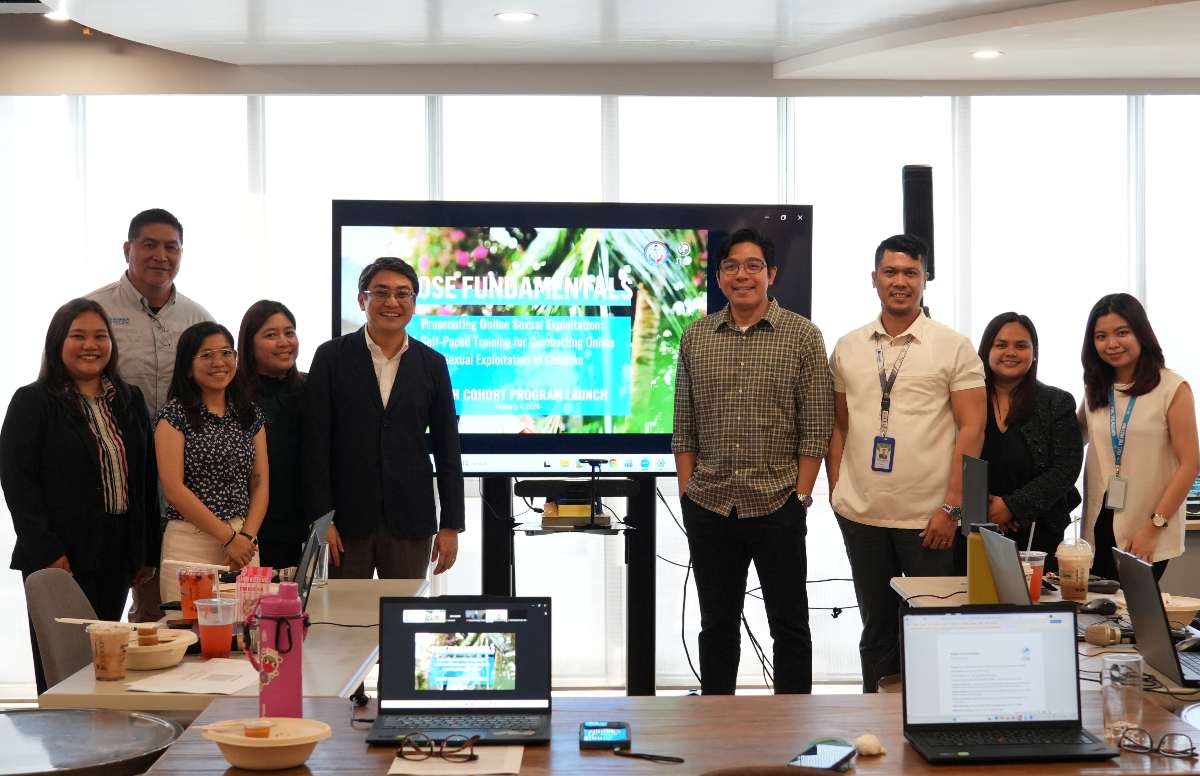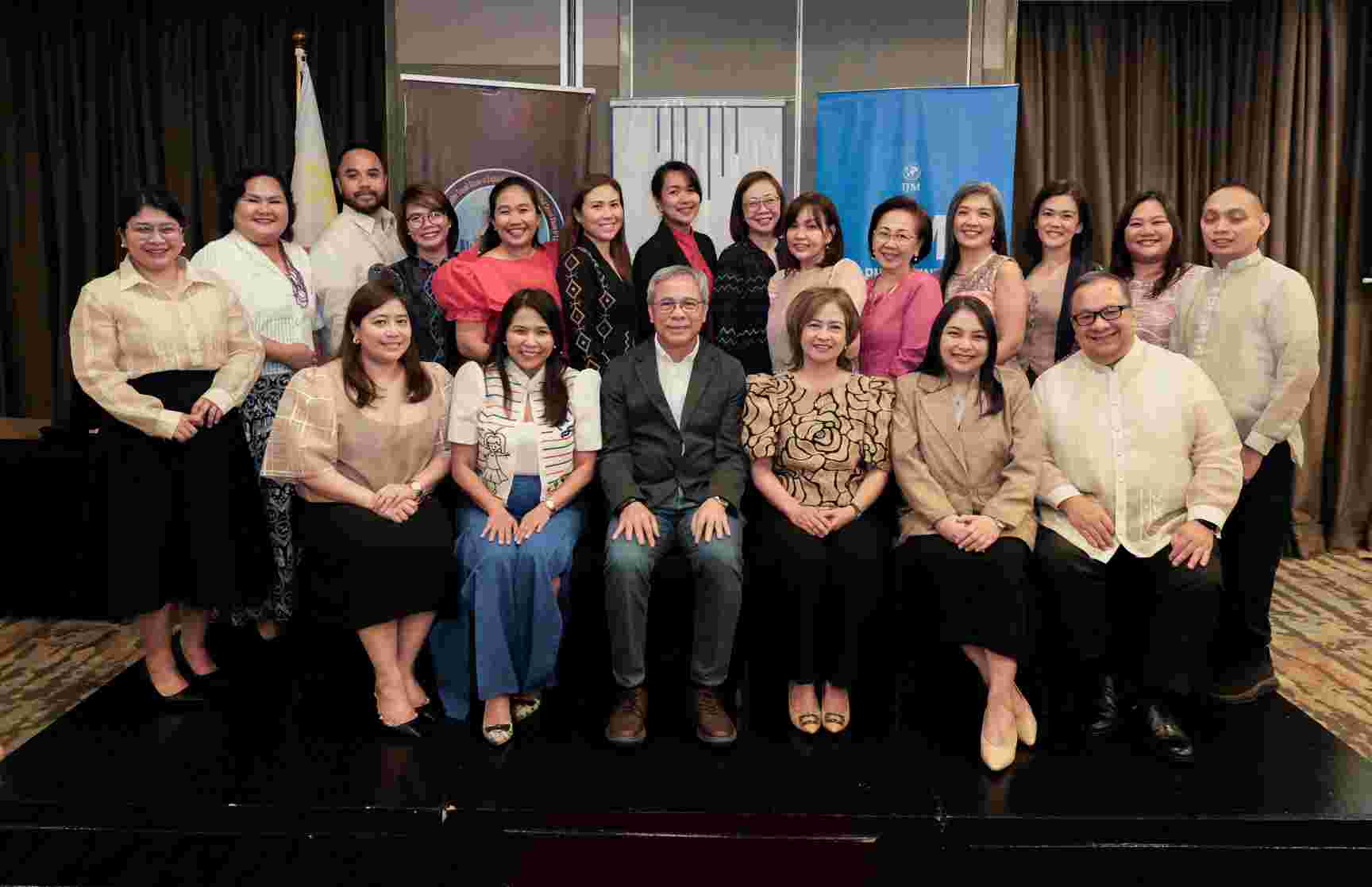
From April 13–17, 2026, the Department of Justice (DOJ), through the National Coordination Center Against Online Sexual Abuse and Exploitation of Children and Child Sexual Abuse and Exploitation Materials (NCC‑OSAEC‑CSAEM), in collaboration with International Justice Mission (IJM) Philippines, convened twenty‑eight justice sector professionals from across the country in Makati City for W.I.P.E. Out OSAEC: Advancing with P.O.S.E.—a milestone joint training that brings together two of the Philippines’ most established capacity‑building programs to combat online sexual abuse and exploitation of children (OSAEC).
Judges, prosecutors, and law enforcement officers gathered for the five-day training at the Ascott Hotel in Makati for an integrated learning experience to strengthen coordination among the agencies from investigation through prosecution. The initiative intentionally combines WIPE Out—Working for Interagency Protection and Enforcement Against Exploitation—and POSE (Prosecuting Online Sexual Exploitation) Advanced, two programs that have played a central role in shaping the country’s national response to OSAEC.

Advancing a More Sustainable Justice Response
Previously implemented on parallel tracks, WIPE Out and POSE now converge in a single, cohesive training design—reflecting a deliberate move toward sustainability and system strengthening. Rather than delivering separate training for different parts of the justice response, the integrated approach maximizes resources, reduces duplication, and ensures that learning builds coherently across agencies and disciplines.
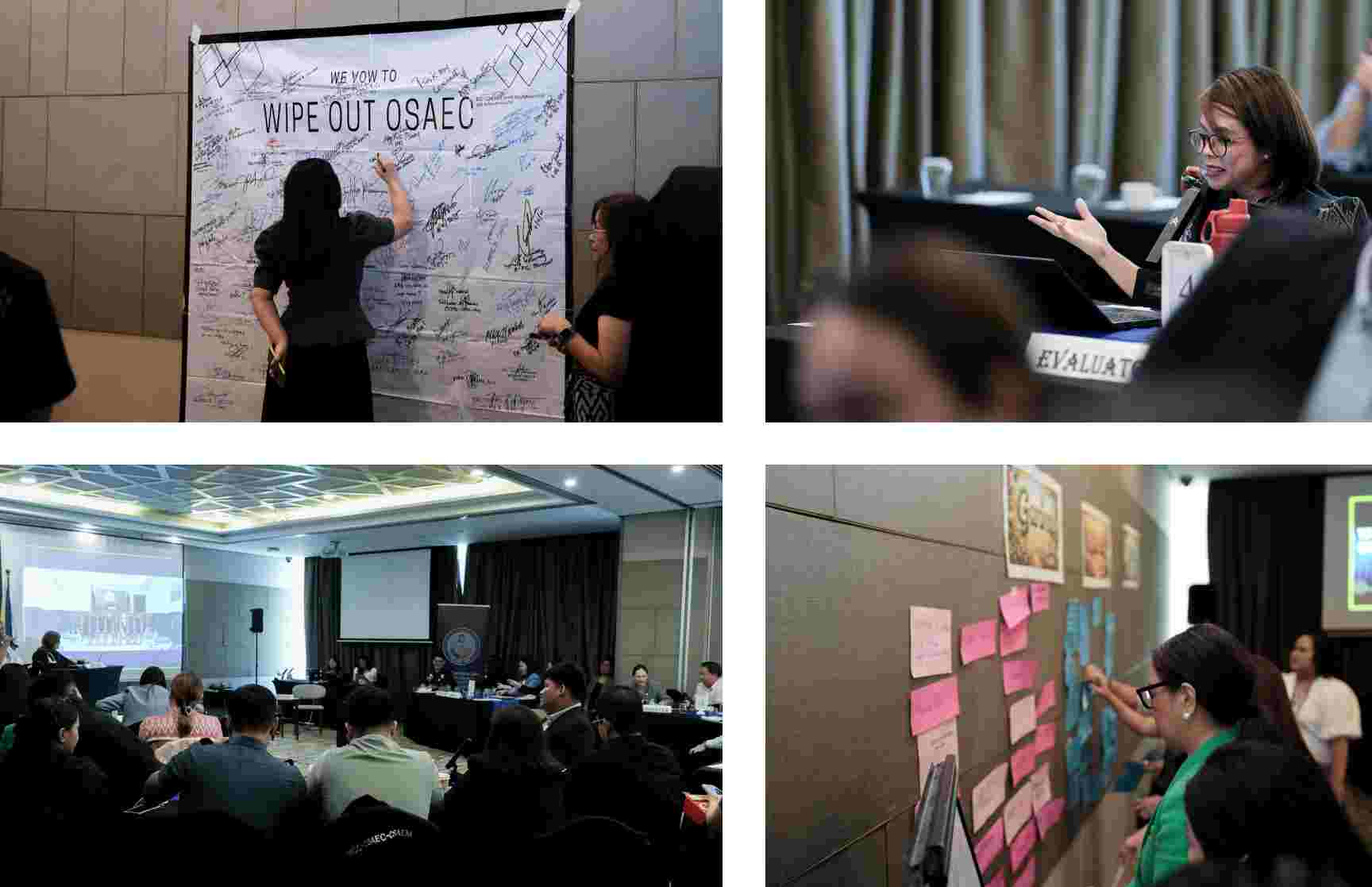
This alignment supports a more effective and child-centered justice system—one that recognizes the interconnected roles of investigation, prosecution, and adjudication, and responds to the urgency and complexity of OSAEC cases.
Justice Leaders Emphasize Accountability and Child Protection
In a keynote message delivered on his behalf by DOJ Undersecretary Garney Candelaria, Secretary of Justice Frederick A. Vida underscored the need for justice actors who are not only technically competent but deeply committed to the human impact of their work: “Ang kailangan natin ngayon ay hindi lamang trained personnel. Ang kailangan natin ay trusted frontliners of justice—people who understand the law, who understand trauma, who understand technology, and who understand that every delay has a human cost.”
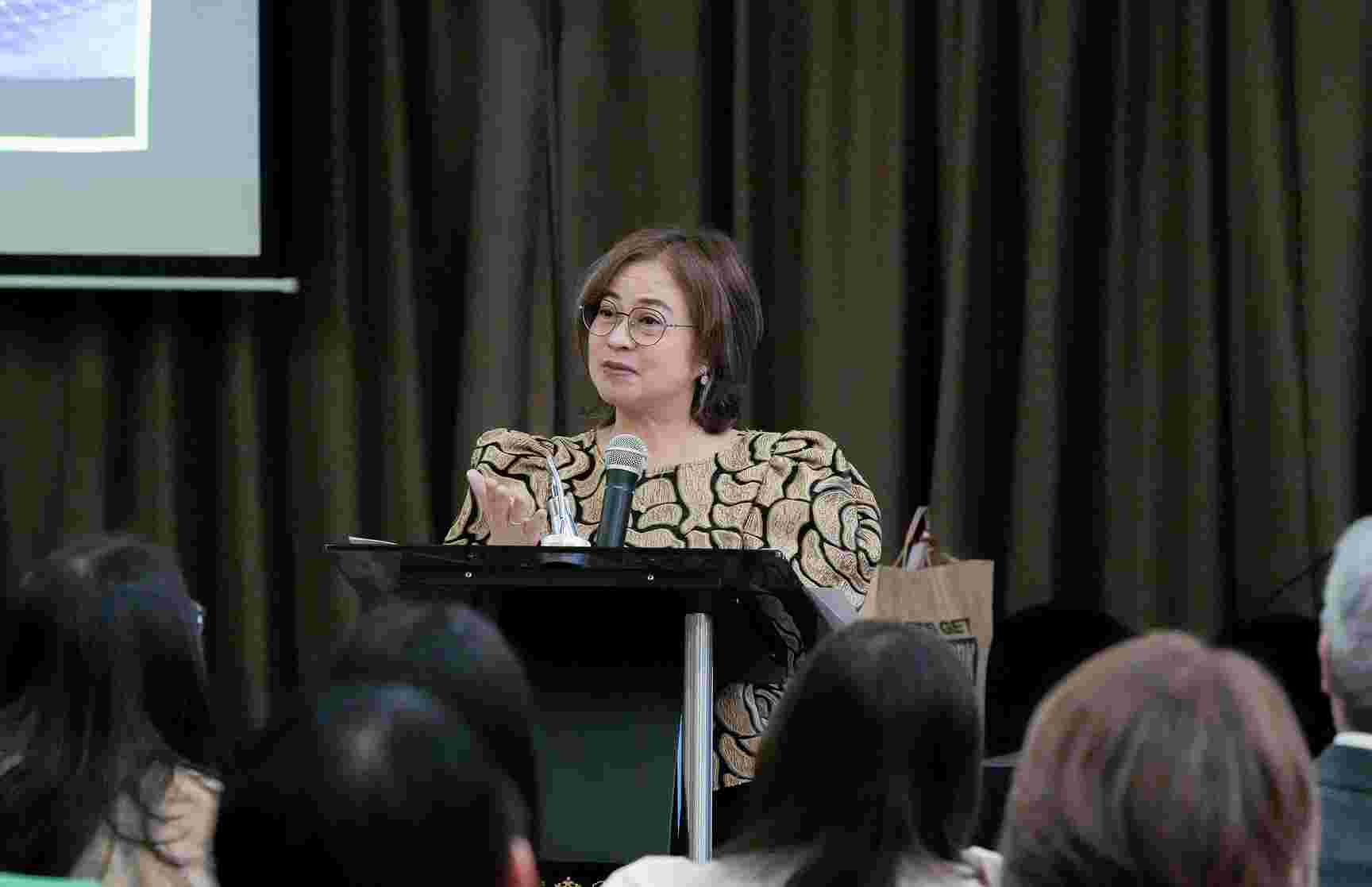
Echoing this call, DRP Barbara Mae Flores, Officer-in-Charge Executive Director of the NCC-OSAEC-CSAEM Secretariat, highlighted the importance of strengthened partnerships. “This partnership with IJM for WIPE Out OSAEC: Advancing with POSE marks an important milestone for this training project,” she shared. “It strengthens our shared effort to build a justice response that is more compassionate, more child-sensitive, and firmly anchored on the best interest of the child.
Collaboration Between Government and Civil Society
The training was jointly facilitated by Department of Justice prosecutors and International Justice Mission (IJM) Philippines lawyers, reflecting a long-standing collaboration to strengthen institutional capacity within government.
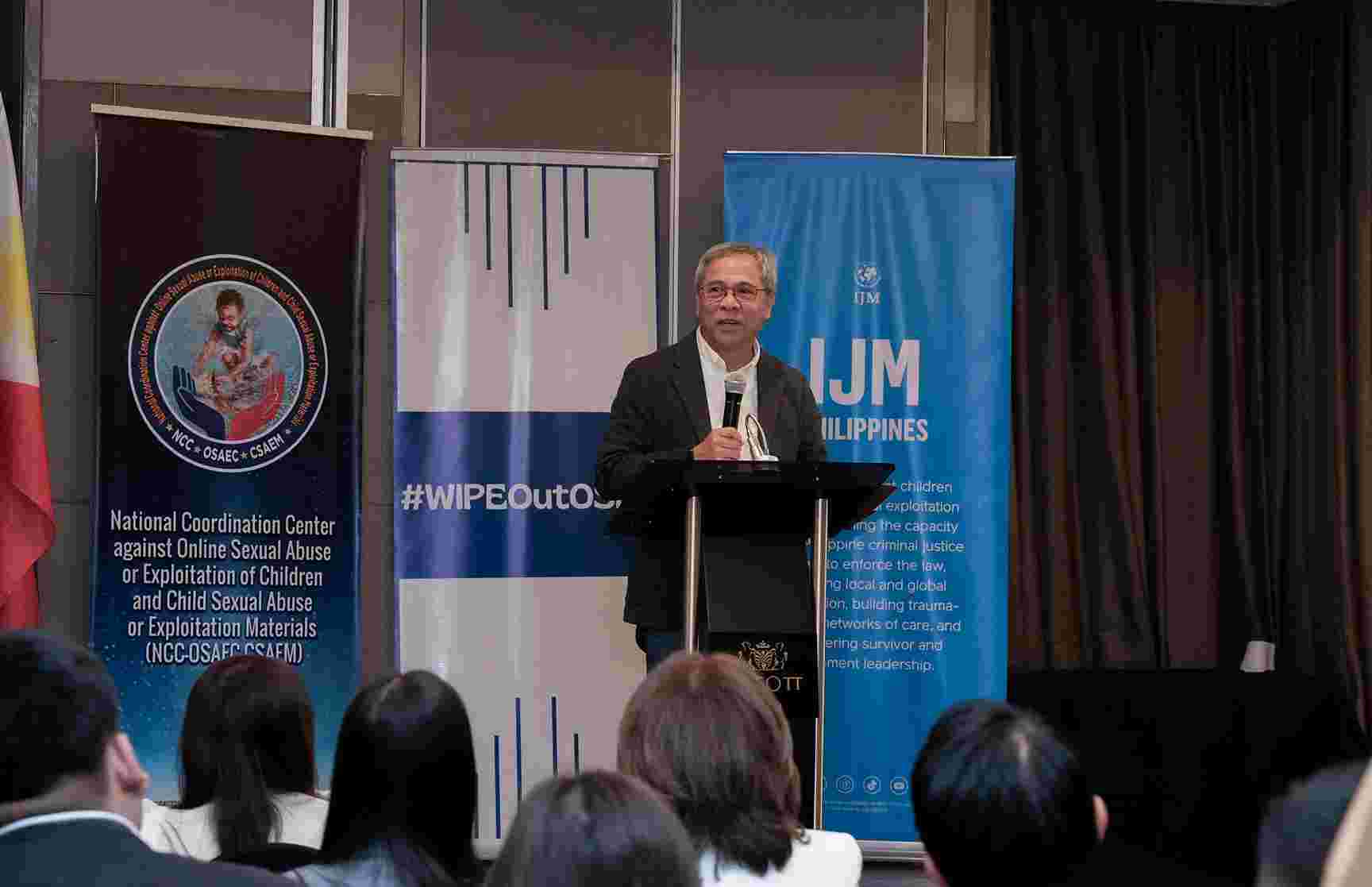
Atty. Noel Eballe, Director for National Advocacy of IJM Philippines, emphasized IJM’s role in supporting government efforts. “At IJM, we have always believed that our role as an NGO is not to replace government,” he explained, “but to walk alongside it—strengthening systems, transferring capacity, and investing in institutions so that, over time, the Philippine government can fully carry out its mandate.”
Atty. Nelisa Guevara-Garcia, Director for Capacity Development of IJM Philippines, described the joint training as both strategic and symbolic. She expounded, “Strategic, because it aligns operational coordination with advanced technical capacity. Symbolic, because it reflects a shared understanding that effective justice is built at the intersections—between agencies, between disciplines, and between government and civil society.”
Centering Survivors in Justice Reform
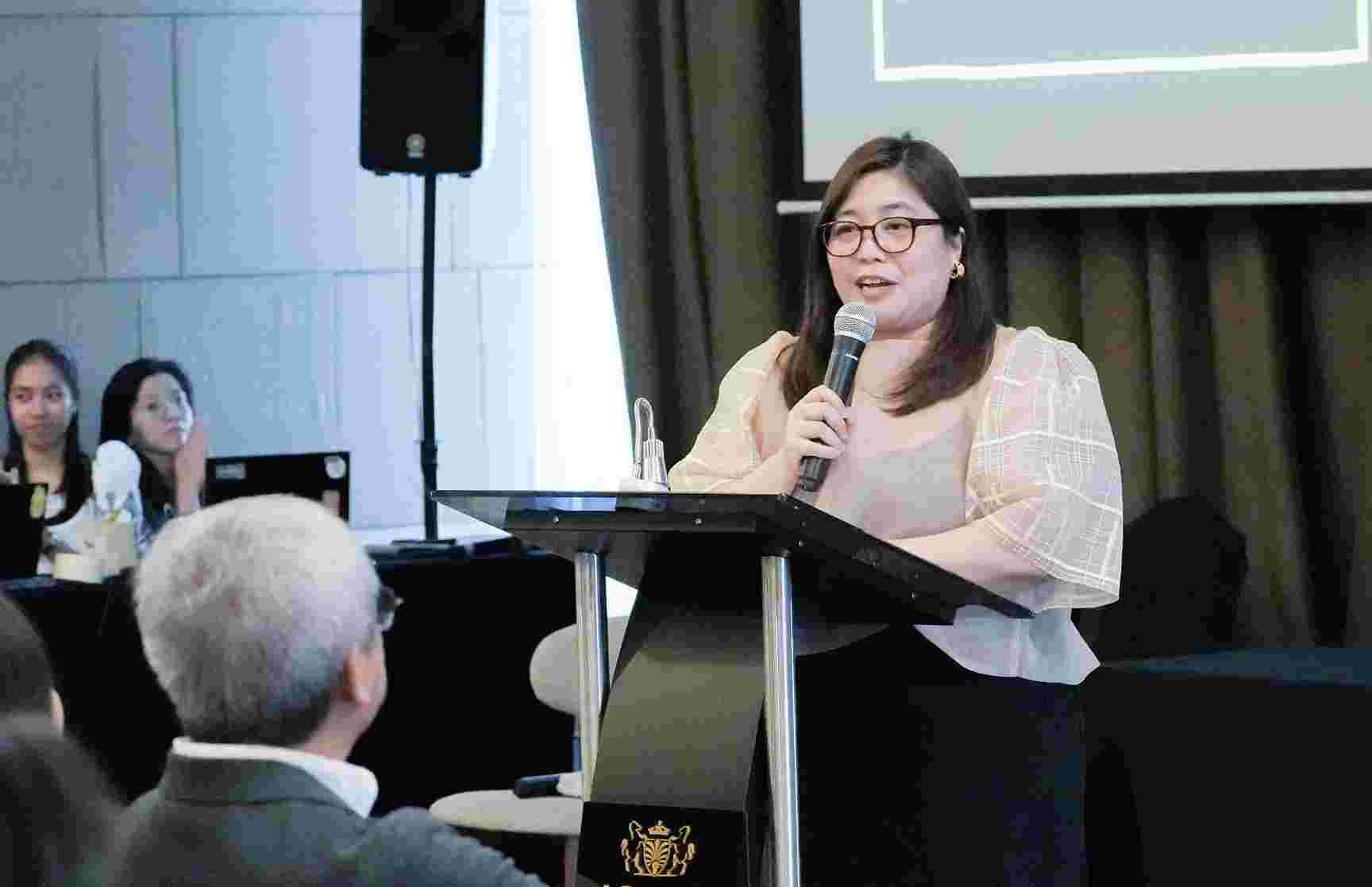
One of the most powerful moments of the training was the introduction of the survivors’ voice, grounding technical discussions in lived experience and reinforcing the real-world impact of justice sector action.
A survivor leader, Cassie, addressed participants with a reminder of the stakes involved. She declared, “I am here today because your work matters. It is not just in principle, but in real lives like mine.”
In her closing message, Court Administrator Hon. Ma. Theresa Dolores C. Gomez-Estoesta emphasized that the fight against OSAEC demands more than technical skill. “This is not just enforcement. This is protection. This is justice at its most urgent,” she stated, underscoring the need for sustained collaboration across institutions. She urged participants to carry forward both the knowledge and resolve gained from the training, emphasizing that strengthening interagency cooperation is essential to building a justice system that is more responsive, coordinated, and compassionate in protecting children. Through this integrated training, the organizers along with the participants reaffirmed their shared commitment to protecting Filipino children, strengthening accountability for perpetrators, and advancing a justice system that is coordinated, child-sensitive, and sustainable.