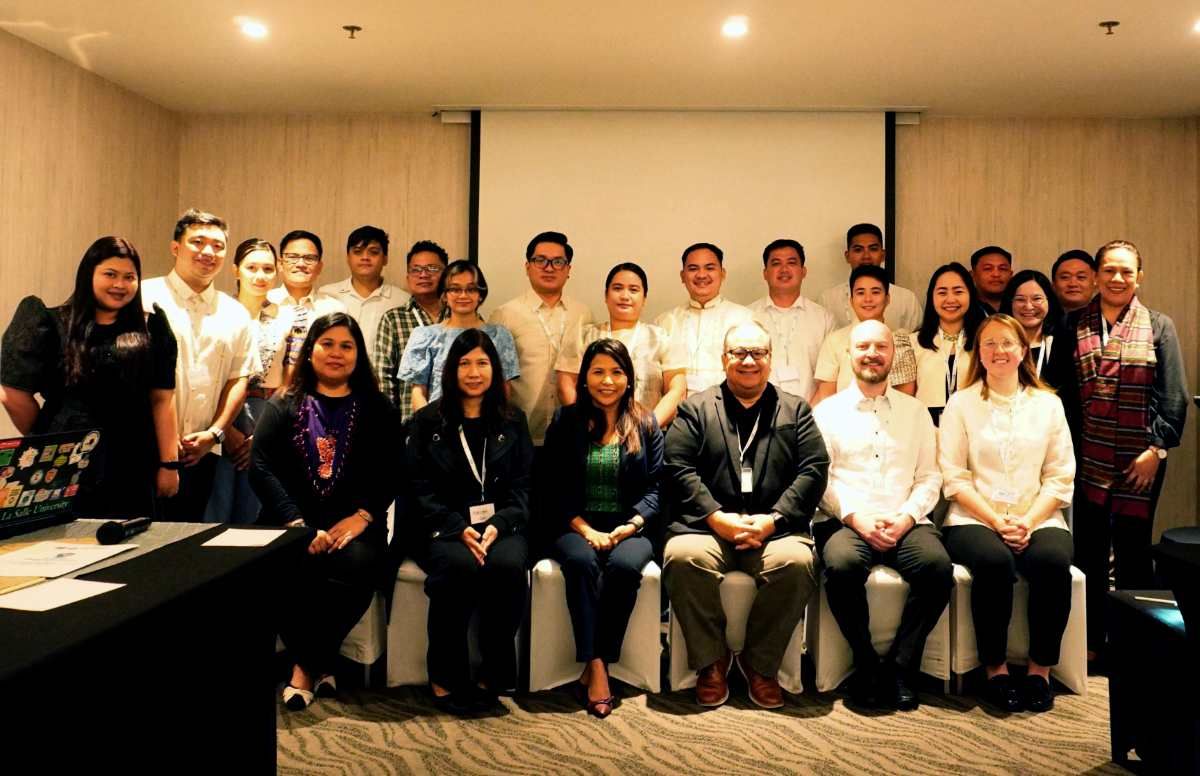
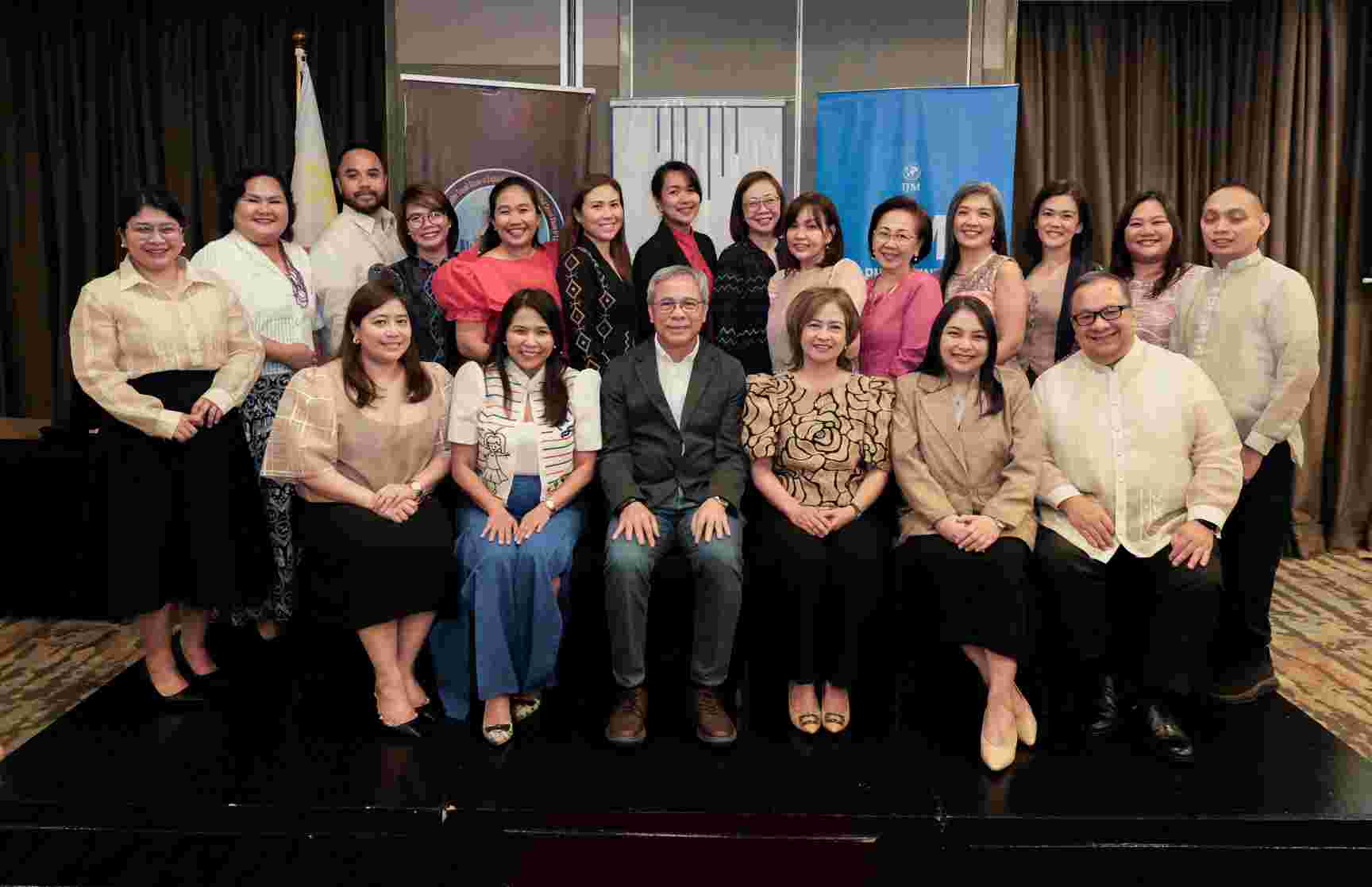
The Memorandum of Agreement between International Justice Mission Philippines and the Department of Social Welfare and Development (DSWD) for partnership on Project SAFE was signed on November 24, 2025 in Quezon City.

Project SAFE was developed by the Social Technology Bureau (STB), the program development arm of the DSWD, with IJM as partner and co-developer.
Present at the MOA signing were Director Marilyn Moral, Social Technology Bureau, DSWD; Chief Jason Oabel, Pilot Implementation Division, DSWD; Chief Jelly Barseta, Analysis and Evaluation Division, DSWD; Dr. Mariella Castillo, Managing Director of Consuelo Zobel Alger Foundation; Atty. Albert Jesus T. Muyot, Chief Executive Officer of Save the Children Philippines. IJM Philippines was represented by Atty. Samson Inocencio, Jr., National Director, and Atty. Noel Eballe, Director of National Advocacy. Also present was survivor Theia.

“With more rescues happening now especially as our LGU response to these criminal activities, this project ensures we are ready to support survivors through their journey of healing and restoration," said Atty. Samson Inocencio, Jr.," addressing those present.
"I applaud the leadership of DSWD Social Technology Bureau for championing Project SAFE and working to make a national model for prevention, protection, and empowerment."
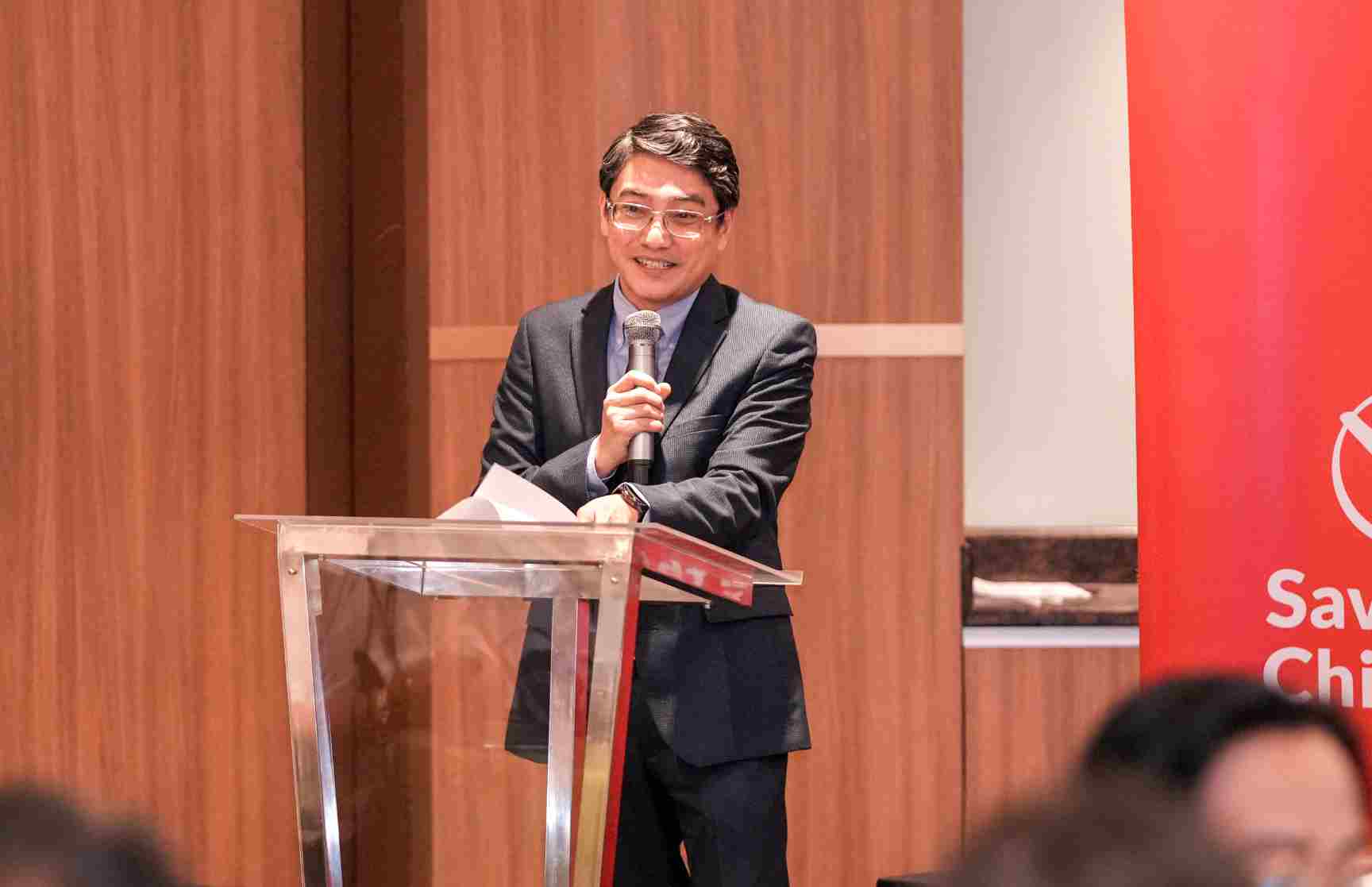 Atty. Samson Inocencio of IJM Philippines
DSWD Undersecretary Eduardo M. Punay, who was unable to attend due to an urgent meeting at the Senate, left a message to be read to the attendees of the MOA signing. "Our partnership is a direct response to our President’s call to do more,” USec Punay stated, citing the President's call for "a unified and more intensified service and program delivery to combat this threat to every Filipino Child."
"We are also confident that through our shared and collective efforts that have been formalized today, we will be able to reshape the landscape of child protection in the country and pave the way for an OSAEC-free Philippines."
Theia, survivor leader and member of the Philippine Survivor Network, shared her story and encouraged the attendees: “Today is more than a signing ceremony—it is a declaration of hope. As a survivor, I stand here not as a victim of the past, but as a voice for the future. What happened to me should never happen to any child. I know what it feels like to be trapped, to feel powerless, and to wonder if anyone cares. But I also know what it feels like to be rescued, to be believed, and to be given a chance to heal,” Theia said.
“Project SAFE is not just a program—it is a lifeline. It tells every child in danger that they are not forgotten. It tells every survivor that their pain can be transformed into purpose. And it tells the world that together, we can end online sexual exploitation of children.”
The need for stronger prevention and protection mechanisms
A tech-enabled crime, OSAEC is deeply embedded yet carefully hidden in many communities. A study by International Justice Mission and the University of Nottingham Rights Lab estimates that 470,000 children were trafficked to create child sexual abuse material in 2022. One in every hundred Filipino children experienced this abuse.
Perpetrators have made an illegal business out of exploiting children’s vulnerability through technology. Many children are at risk due to poverty, digital exposure, and lack of awareness.
A timely and relevant response to hidden realities
DSWD’s work on OSAEC cases has exposed hidden gaps in child protection. One of DSWD’s case studies in creating Project SAFE is the story of survivor Kesha. At 16, she was exploited by her own aunt. Later, she began grooming her younger cousin. When authorities intervened, Kesha admitted she had never heard of anti-OSAEC laws and was unaware she was committing a crime. Many children growing up in similar environments are unaware that OSAEC is illegal. This lack of awareness opens the door for victims to become perpetrators.
Project SAFE addresses gaps like these through solutions such as administration of OSAEC Vulnerability Assessment Tool (VAT), and community and school-based Digital Parenting Literacy Sessions for high-risk families and Child Online Protection programs from Grade 3 to high school.
Though DSWD specializes in response and aftercare, Project SAFE goes above and beyond, aiming to close the spaces where danger lurks and protect children before harm begins.
Project SAFE: Addressing the full spectrum of child protection
Project SAFE addresses the full spectrum of child protection, starting with prevention, all the way to response and aftercare. A multi-component, multi-dimensional approach to safeguarding children, it is currently being piloted in Angeles City, Cebu City, and Iligan City.
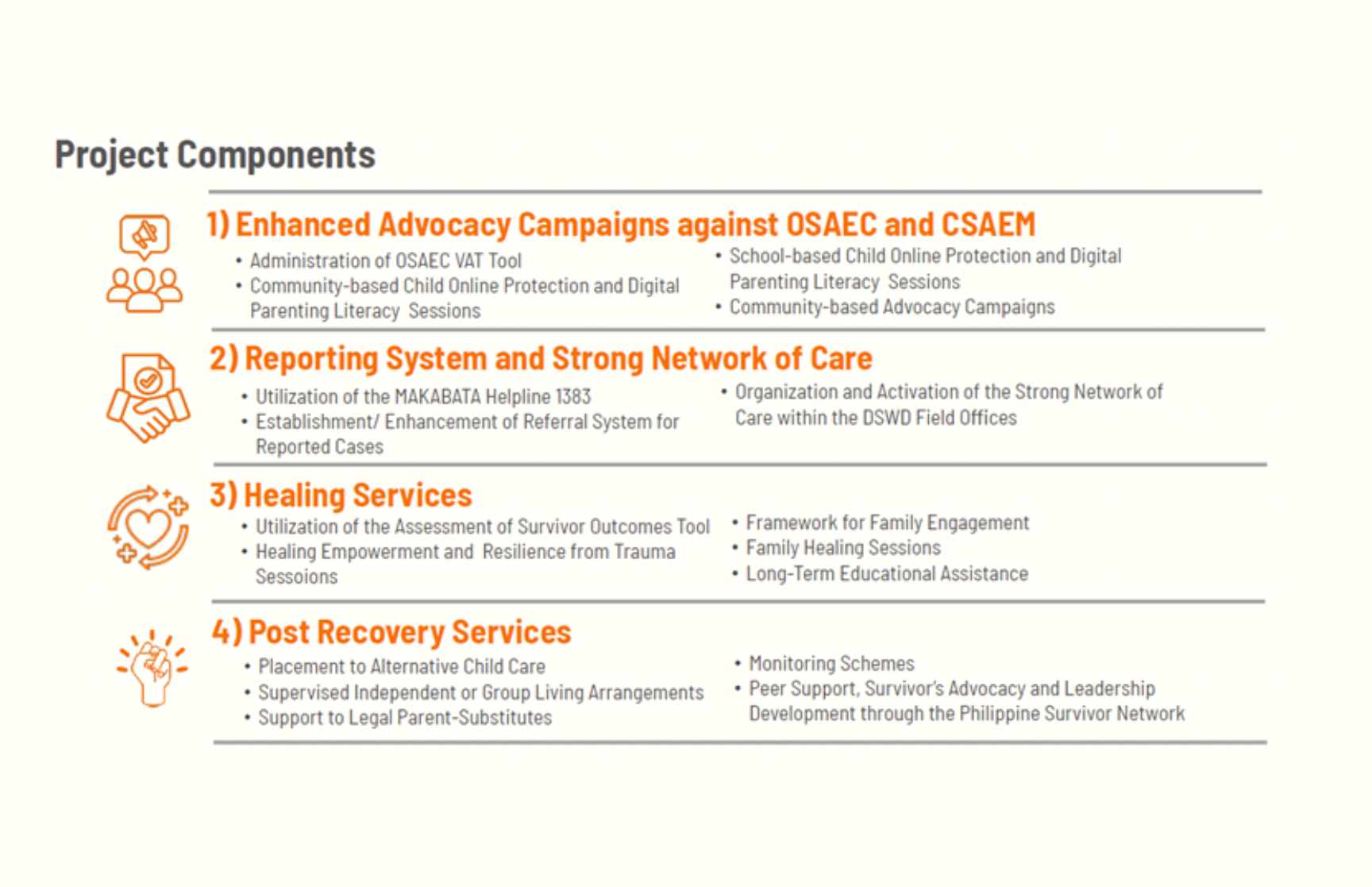
Project SAFE is organized into four components:
1. Enhanced Advocacy Campaigns against OSAEC and CSAEM
These are initiatives to stop the abuse before it even starts. Mandatory education such as Online Protection and Digital Parenting sessions will ensure that all families identified through OSAEC VAT are well-informed about the threats of OSAEC and are equipped to guard against them.
2. Reporting System and Strong Network of Care
This addresses the community reporting system, and the Strong Network of Care, which is the regional network of aftercare services available to survivors of OSAEC. This project component includes the referral system for reporting the crime, the utilization of the MAKABATA Helpline 1383, and the organization and activation of the Strong Network of Care within the DSWD field offices.
3. Healing Services
These are services focused on the recovery and restoration of survivors of OSAEC. Among these are the utilization of the Assessment of Survivor Outcomes Tool; the Framework for Family Engagement, which aims to place survivors with safe family members; and long-term educational assistance for survivors so that they can continue their education alongside their recovery.
4. Post Recovery Services
This component addresses child placement in case safe family is not an option. This component also monitors survivor progress and helps to provide peer support, in partnership with the Philippine Survivor Network, which opens doors and opportunities for survivors to connect with peers who know what they’ve been through, to move forward with their lives in a supportive environment, and to participate in advocacy against OSAEC.
By institutionalizing Project SAFE as a national model, DSWD sets a standard that prioritizes prevention, protection, and empowerment for families and children.
 Source: DSWD
Project SAFE, led by the Department of Social Welfare and Development (DSWD) in partnership with IJM and other organizations, is a comprehensive initiative designed to prevent and respond to Online Sexual Abuse and Exploitation of Children (OSAEC) in the Philippines. Its core mission is to strengthen protective mechanisms and ensure the healing and safe reintegration of child victims into their families and communities.

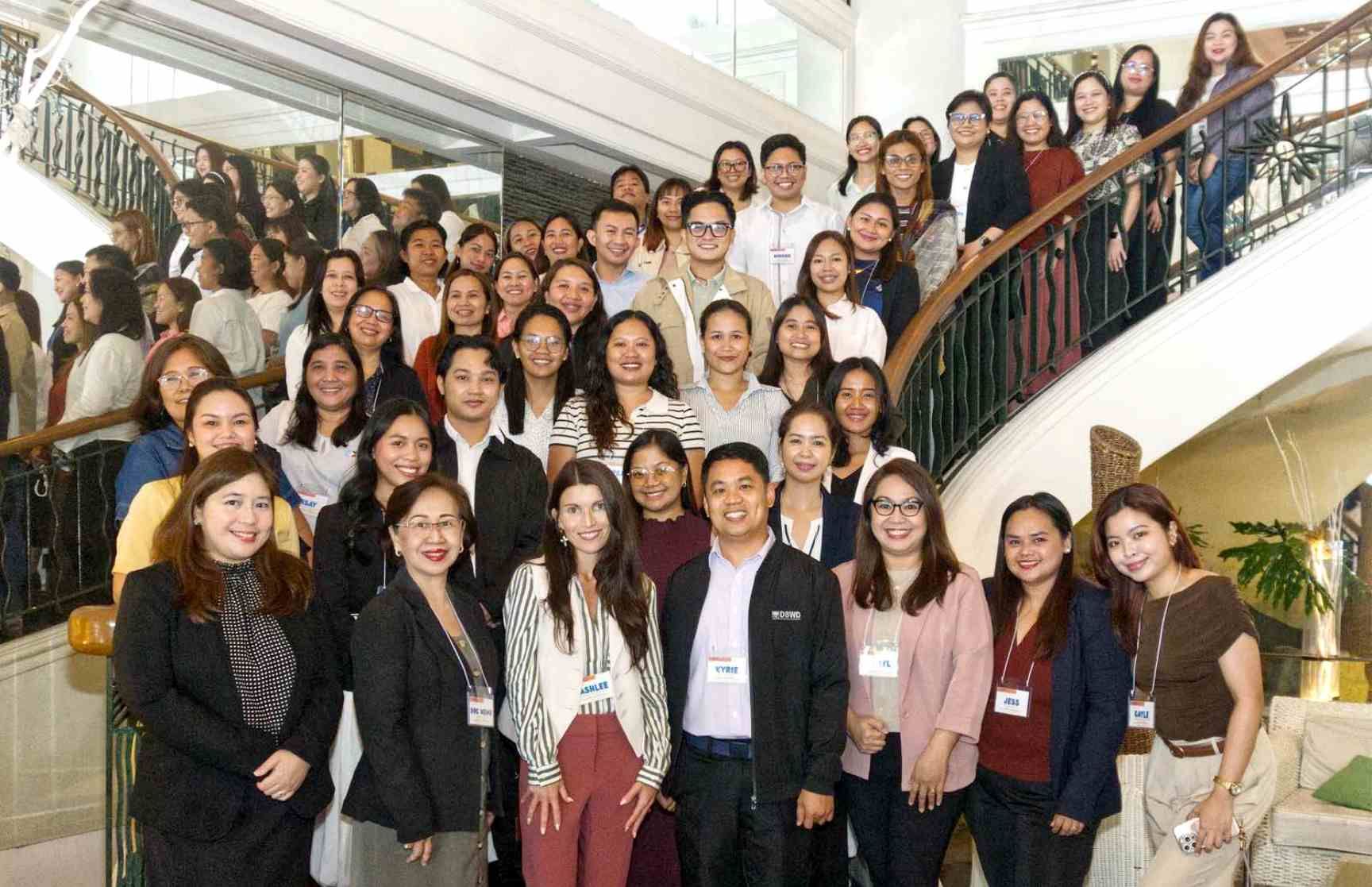
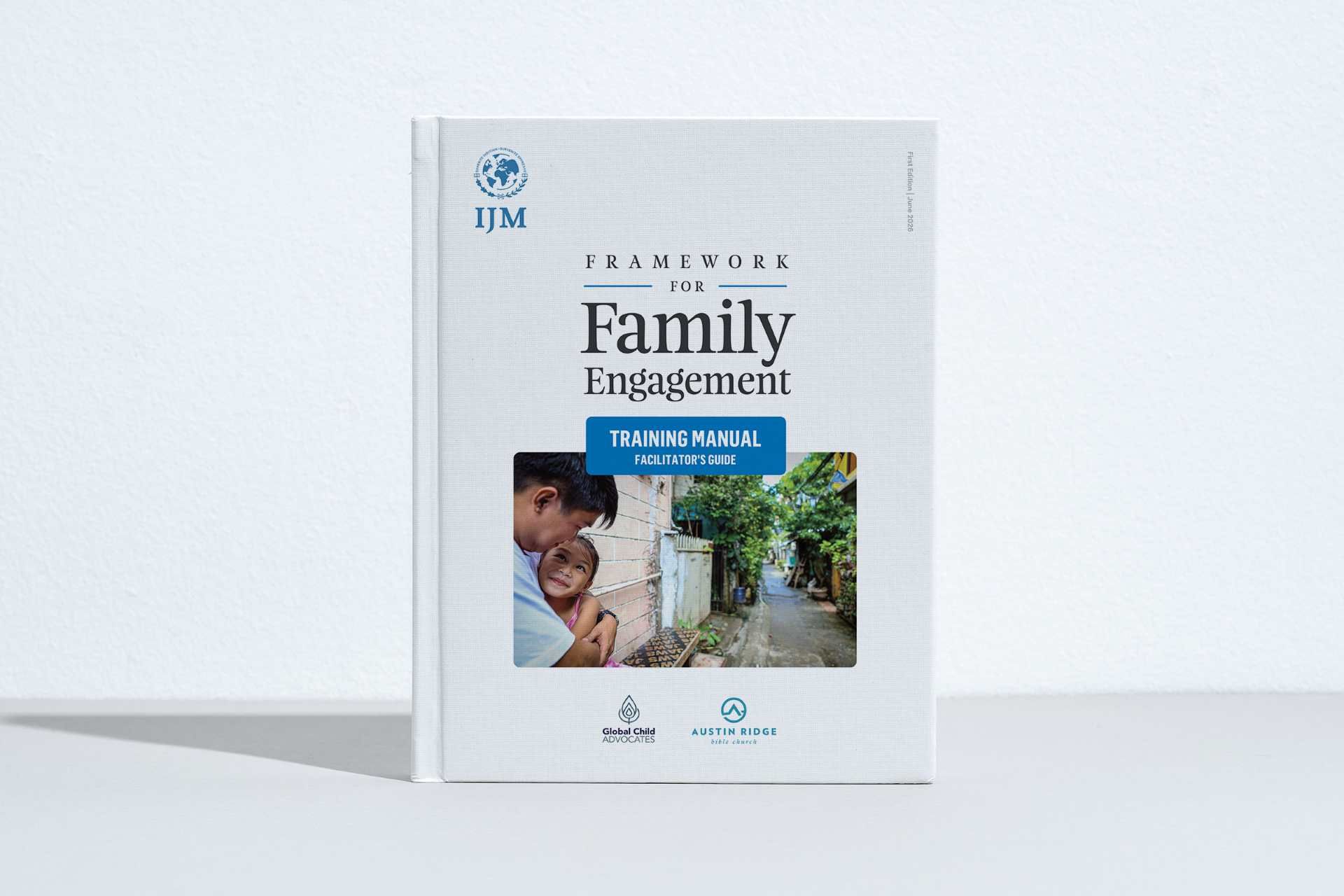
DSWD recently partnered with IJM on the pilot training for the Framework for Family Engagement developed by Global Child Advocates.
DSWD, IJM, and partners Consuelo Zobel Alger Foundation and Save the Children will collaborate on meeting the project objectives. A range of tools including the Assessment of Survivor Outcomes (ASO) tool and strengthen family placement strategies using the Framework for Family Engagement are part of Project SAFE.
"This project is fully aligned with IJM and its mission and that is why we're giving our 101% commitment to this project. Deep gratitude to our partners to Consuelo and Save the Children, Atty. Samson Inocencio, Jr. said. “Let's move forward with courage and commitment to make the Philippines safer for every child.”