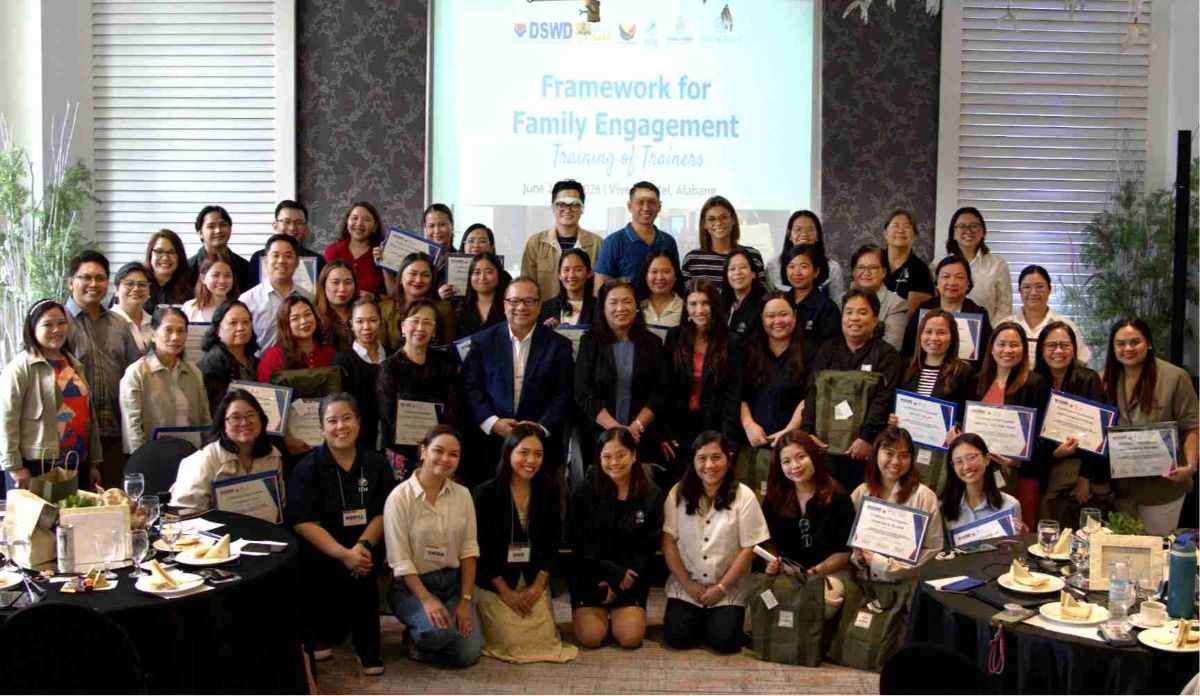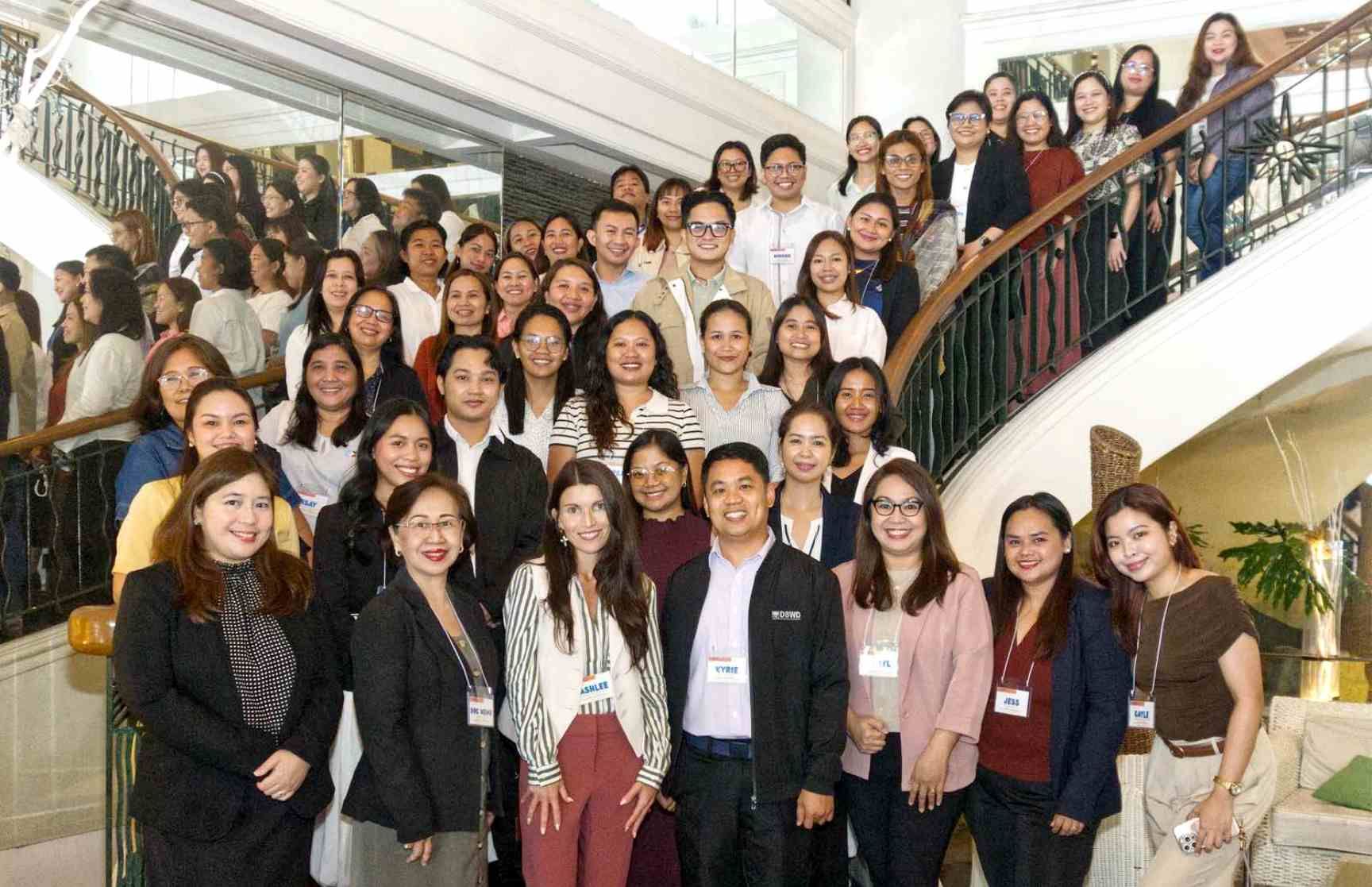
MUNTINLUPA CITY, Philippines — The Department of Social Welfare and Development (DSWD), in partnership with International Justice Mission (IJM) Philippines and Global Child Advocates (GCA), held the Training of Trainers on the Framework for Family Engagement (FFE), on June 22 to 26 in Alabang, Muntinlupa. This training aims to strengthen the Philippines’ child protection system by capacitating a new cadre of professionals who will champion family-based care for vulnerable children across the country.
The training gathered social workers, child welfare practitioners, and representatives from government and NGO partners from DSWD Social Technology Bureau, DSWD Academy, DSWD Field Offices, National Authority for Child Care (NACC) and LGUs from Cebu, Iligan, Quezon City, Taguig, Calamba, and Dasmariñas. Social workers from IJM Philippines, Consuelo Zobel Alger Foundation, and shelters caring for victims of Online Sexual Abuse and Exploitation of Children (OSEC) Shechem Children’s Home, CURE International, and Compassionate Hope Foundation also joined the training to become future trainers of the Framework for Family Engagement (FFE).
Upon completing the program and conducting supervised rollouts by IJM’s family engagement specialist in consultation with GCA, participants will be certified as official Framework for Family Engagement trainers in the Philippines, enabling them to mentor more child protection professionals nationwide.
Beyond institutional care
As IJM Philippines’ Director of Capacity Development Atty. Nelisa Guevara-Garcia said in her opening remarks of the training, “The Framework for Family Engagement invites us to explore, evaluate, and empower. It challenges us to look beyond institutional care and to prioritize healing through relationships. It reminds us that permanency is not a place—it’s a person. And that every child deserves to be surrounded by people who are not paid to care, but who choose to love.”
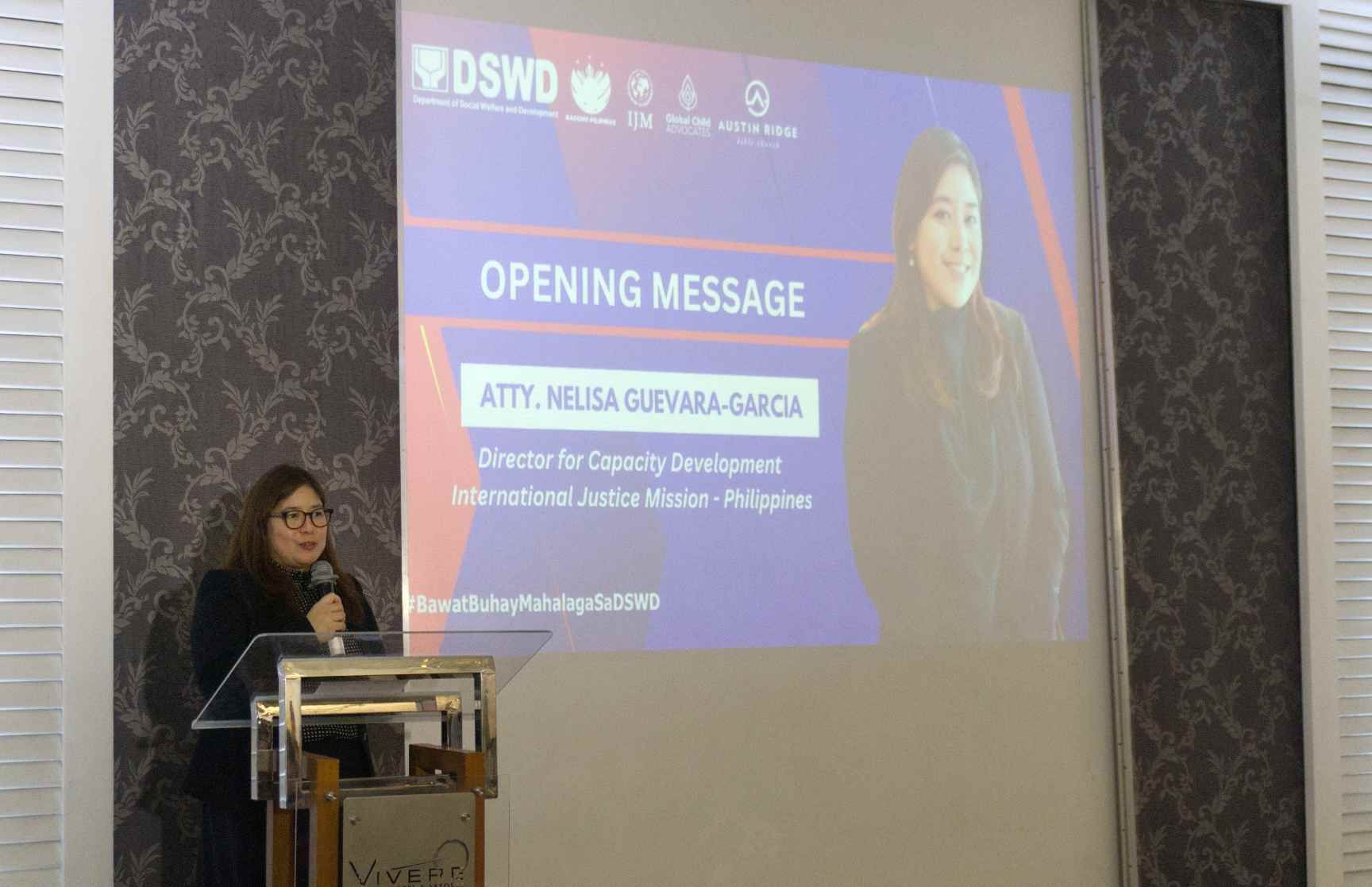 Atty. Nelisa Guevara-Garcia formally welcomed the participants and trainers during the opening remarks
Originally developed by Global Child Advocates and later adapted to the Philippine context by IJM Philippines in partnership with Shechem Children’s Home and DSWD Project Safe Against OSAEC, the Framework for Family Engagement places relationships, trauma-informed care, and family strengthening at the center of child welfare practice. The framework has since been adopted as one of the core interventions under DSWD’s Project SAFE, supporting survivors of OSAEC as they transition toward safe, permanent family care.
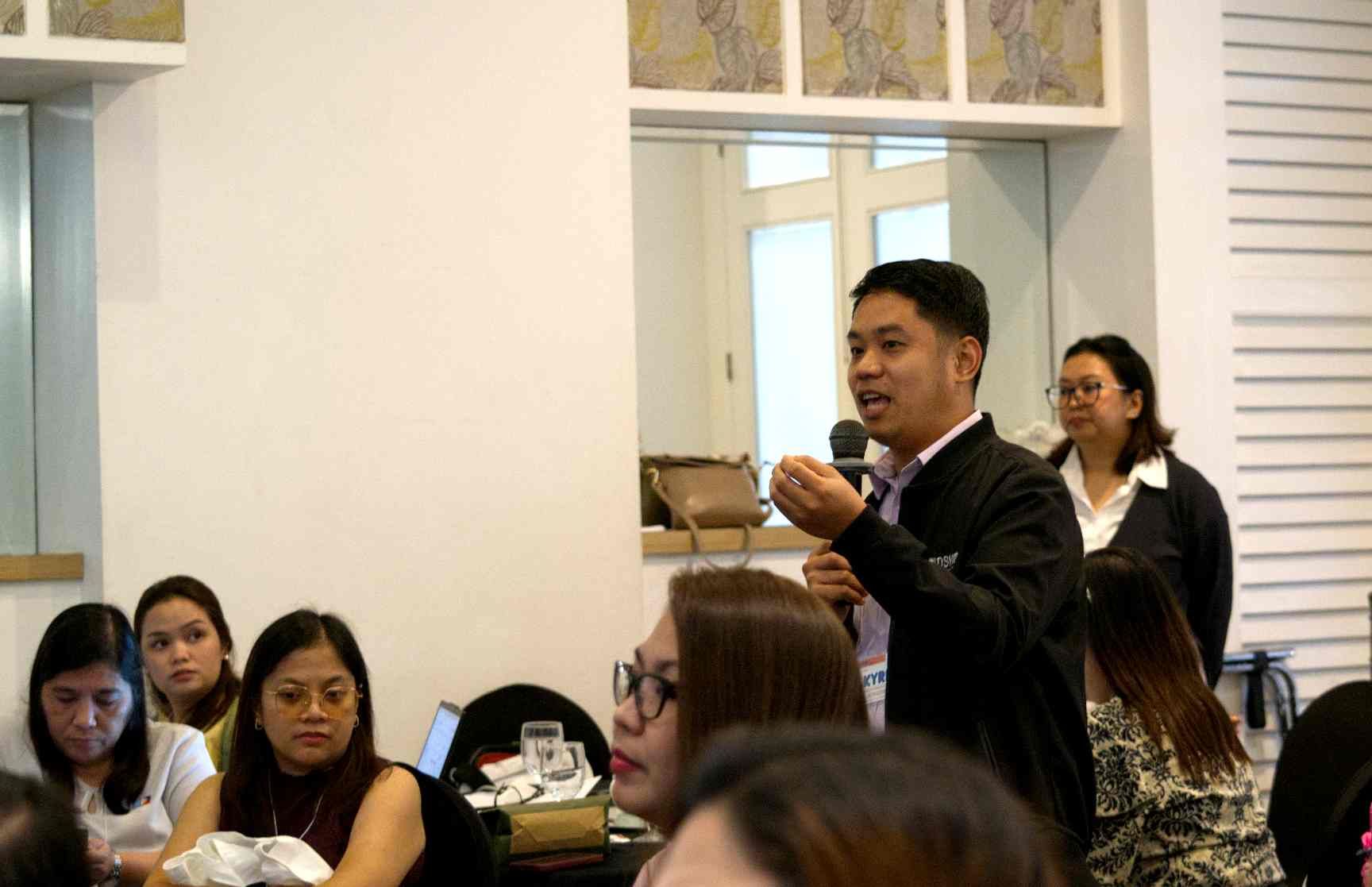
“The FFE is more than just a framework. It is a commitment to working alongside families as valued partners in achieving positive and lasting outcomes for children,” remarked Social Welfare Officer IV Kyrie Eleison Taganap of the Department of Social Welfare and Development-Social Technology Bureau. “We are looking forward to seeing how the implementation of FFE will contribute to advancing the goals of Project SAFE Against OSAEC in society, strengthening families, protecting children, and bringing us closer to a Philippines free from online sexual abuse and exploitation of children.”
The FFE is more than just a framework. It is a commitment to working alongside families as valued partners in achieving positive and lasting outcomes for children.
Kyrie Eleison Taganap of the Department of Social Welfare and Development-Social Technology Bureau.
EVENTS HIGHLIGHTS
Training of Trainers
The Training of Trainers model is designed to multiply the number of qualified facilitators who can cascade the framework throughout the country, expanding access to family-centered care for children in vulnerable situations.
“By equipping practitioners with the knowledge and skills to implement and teach the Framework for Family Engagement, we are building a sustainable network of champions who can help more children experience the safety, healing, and permanency that safe family provides,” said Jessa Lazarte, IJM’s Family Engagement Specialist.
By equipping practitioners with the knowledge and skills to implement and teach the Framework for Family Engagement, we are building a sustainable network of champions who can help more children experience the safety, healing, and permanency that safe family provides.
Jessa Lazarte, Family Engagement Specialist, IJM
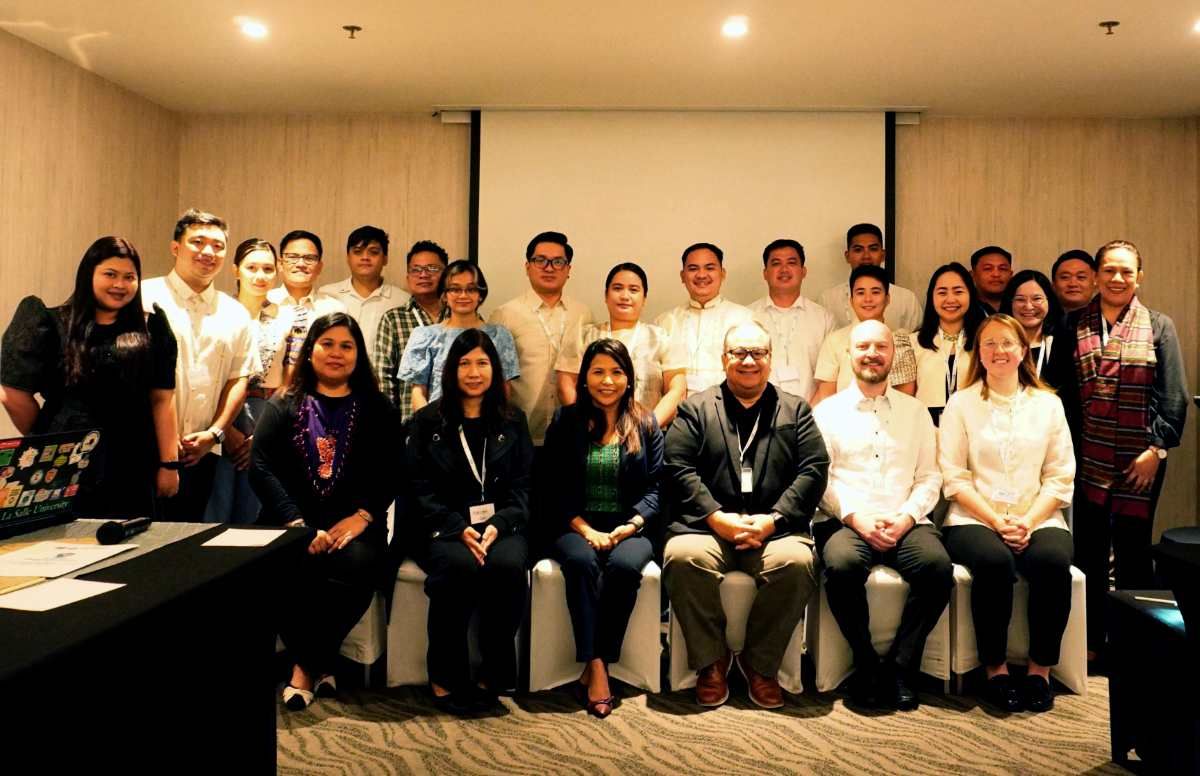
Over five days, participants took part in intensive learning sessions facilitated by Jessa Lazarte, IJM’s Family Engagement Specialist; Ashlee Heiligman, Developer of FFE and Global Director of GCA; Dr. Clara Nemia Antipala, IJM’s Head of Training Delivery; and Caryl Malabo, IJM’s Capacity Building and Training Specialist. Together, they unpacked the foundations of family-based care, childhood trauma, and resilience through neuroplasticity, attachment, and permanency, and practical family engagement tools and strategies that support children in achieving safe, lasting family connections.
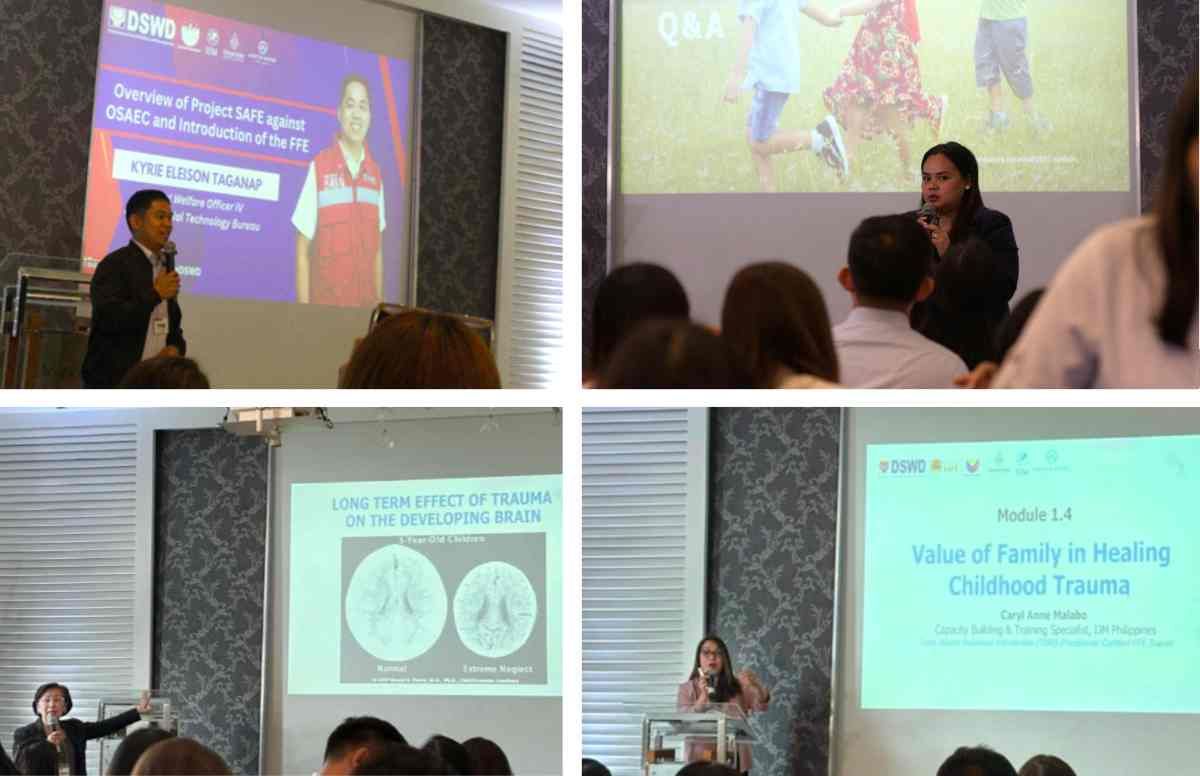 Kryie Taganap led the discussion on FFE Background and its integration in Project SAFE followed by Jessa Lazarte’s discussion on the Foundations of Family-Based Care, Good Enough Parenting Concept and Key PCAR Recommendations
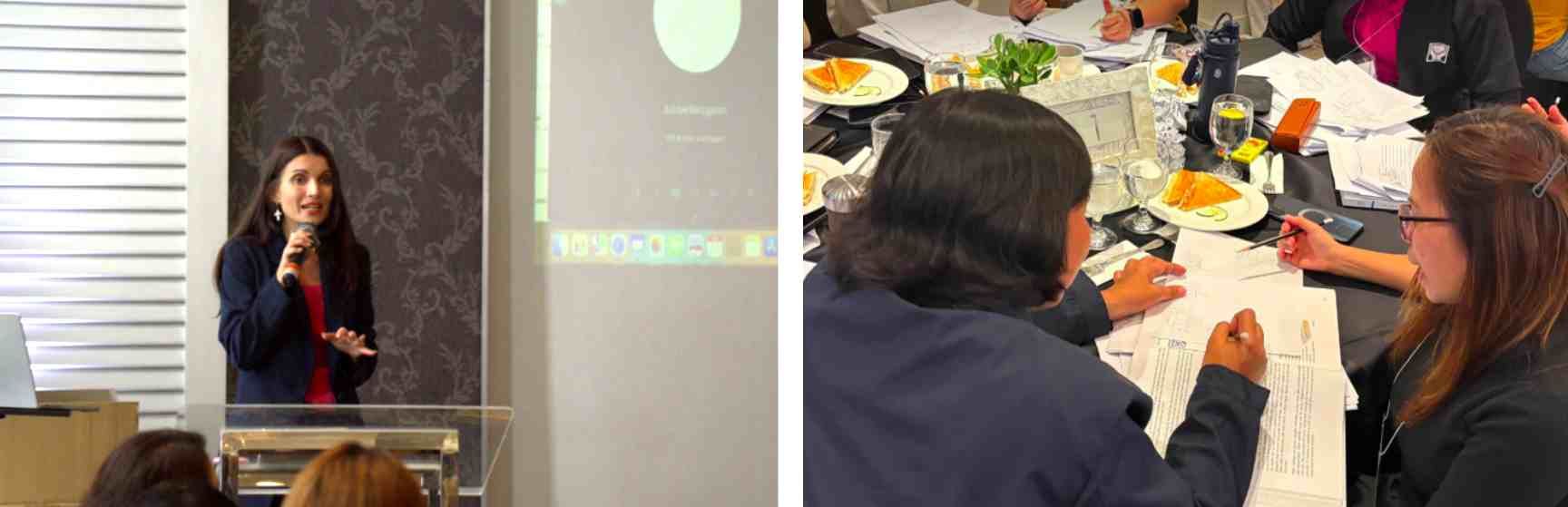 Ashlee Heiligman led several sessions on FFE 3 stages and guided the participants in the practical application of the FFE tools
Dr. Clara Nemia Antipala led the discussion on childhood trauma and hope through neuroplasticity complemented by Caryl Anne Malabo’s discussion on value of family in healing childhood trauma and the concept of risk exchange.
“This Training of Trainers of FFE with IJM is a huge milestone for FFE because it gives us a pathway to scale the framework far beyond what GCA could ever do on our own. We now have the tools to equip experienced practitioners to train others while protecting the heart and quality of FFE,” Heiligman said.
Unlike traditional training programs that focus solely on knowledge transfer, the Training of Trainers emphasizes sustainability. Graduates are expected to mentor other practitioners and conduct future FFE rollouts with technical support from DSWD and IJM, creating a growing network of professionals equipped to implement evidence-based family engagement practices across the Philippines.
“I was extremely impressed with this group of trainees. They came with a lot of experience, but also with so much openness and enthusiasm to learn. They asked thoughtful questions, challenged ideas, encouraged one another, and really embraced the heart of FFE with deep conviction,” Heiligman added. “By the time we got to the return demonstrations, it was really exciting to watch them take what they had learned and begin teaching it themselves.”
I was extremely impressed with this group of trainees. They came with a lot of experience, but also with so much openness and enthusiasm to learn. They asked thoughtful questions, challenged ideas, encouraged one another, and really embraced the heart of FFE with deep conviction.
Ashlee Heiligman, Global Child Advocates
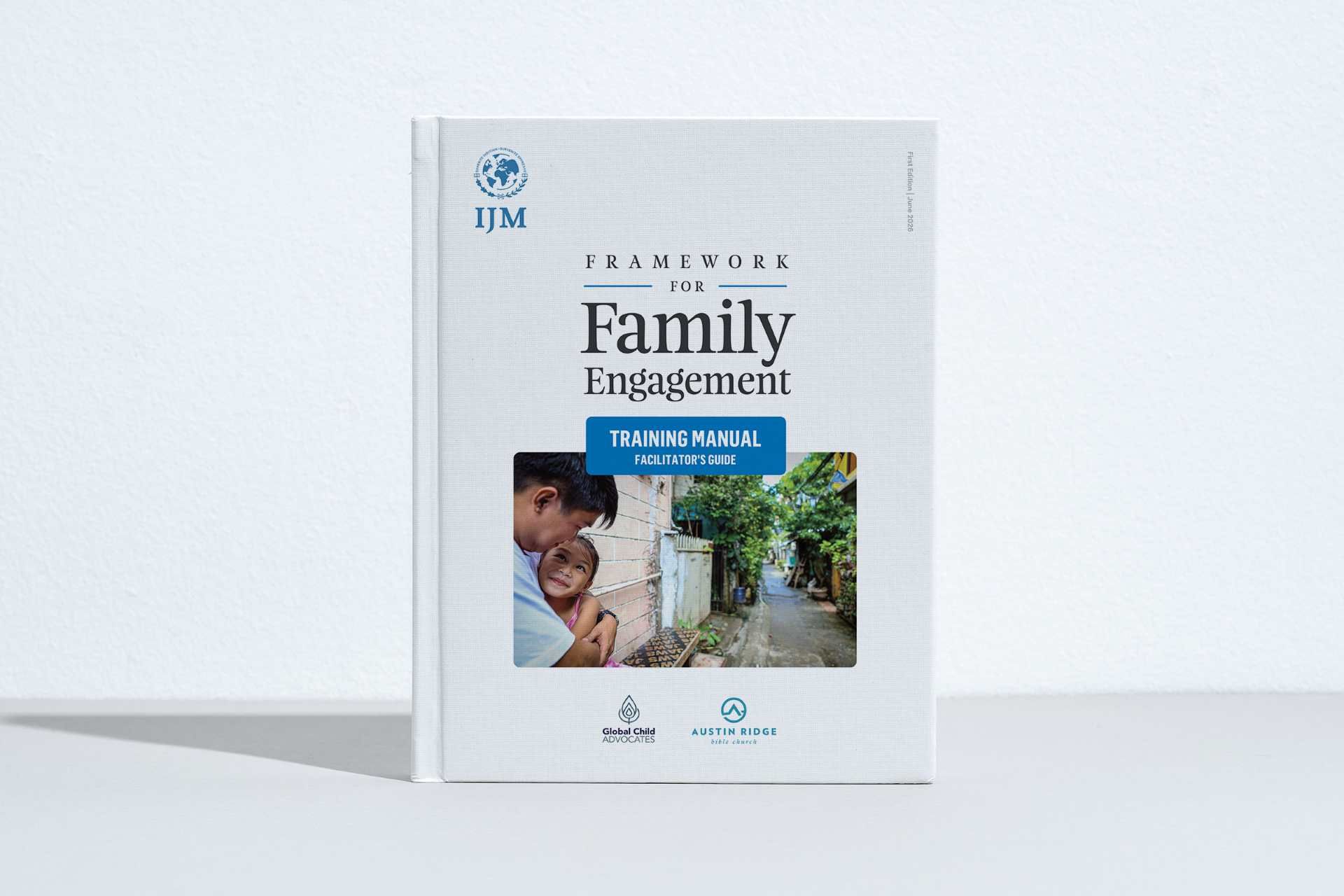
Participants also received the training manual developed by IJM and GCA and basic competency training led by Dr. Antipala, including return demonstrations where the participants practiced facilitating a session and received coaching and feedback from the FFE Trainers. Through lectures, case studies, interactive workshops, return demonstrations, and implementation planning exercises, they strengthened both the technical knowledge and facilitation skills needed to implement and cascade the framework within their respective organizations and communities.
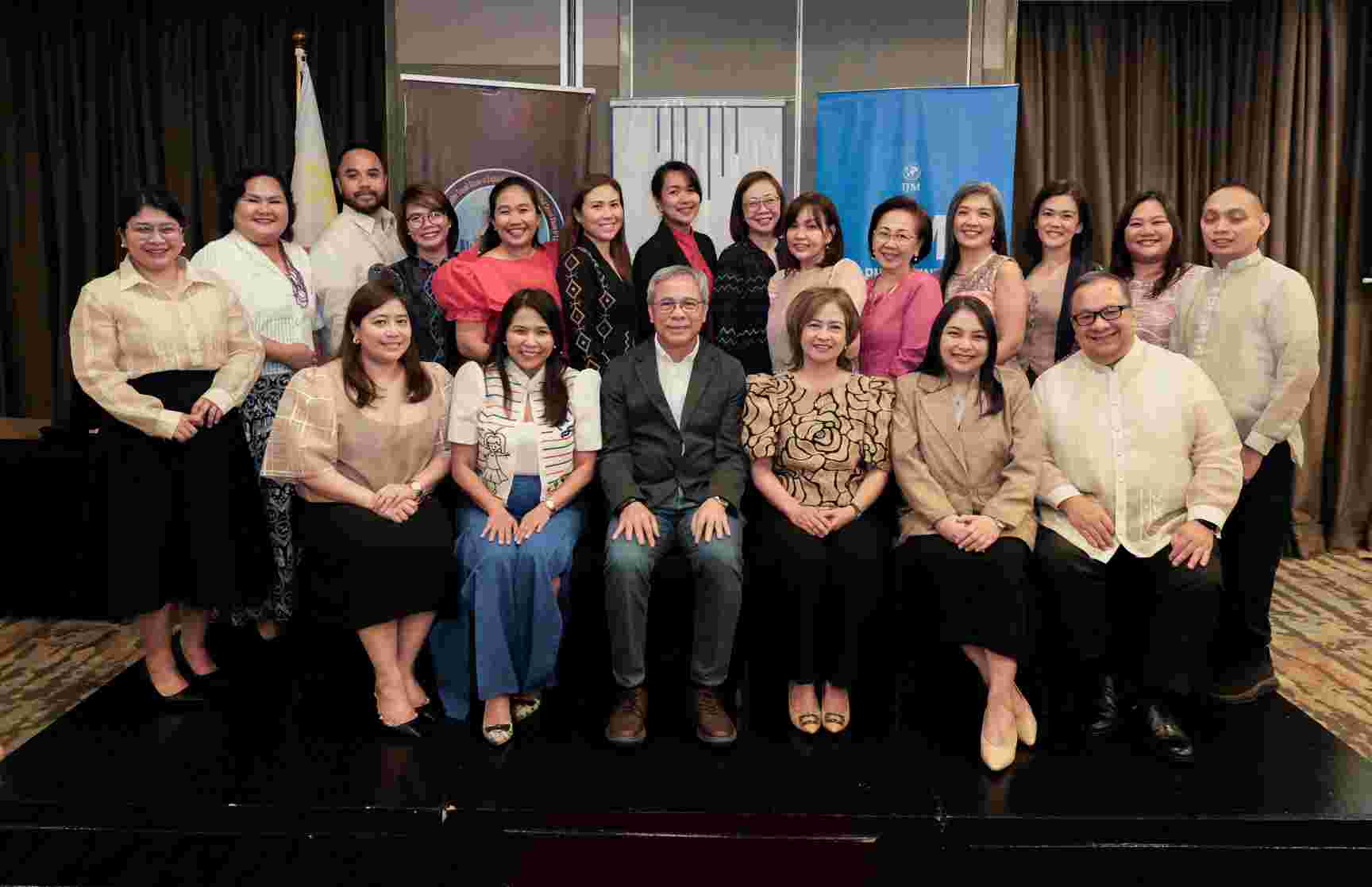
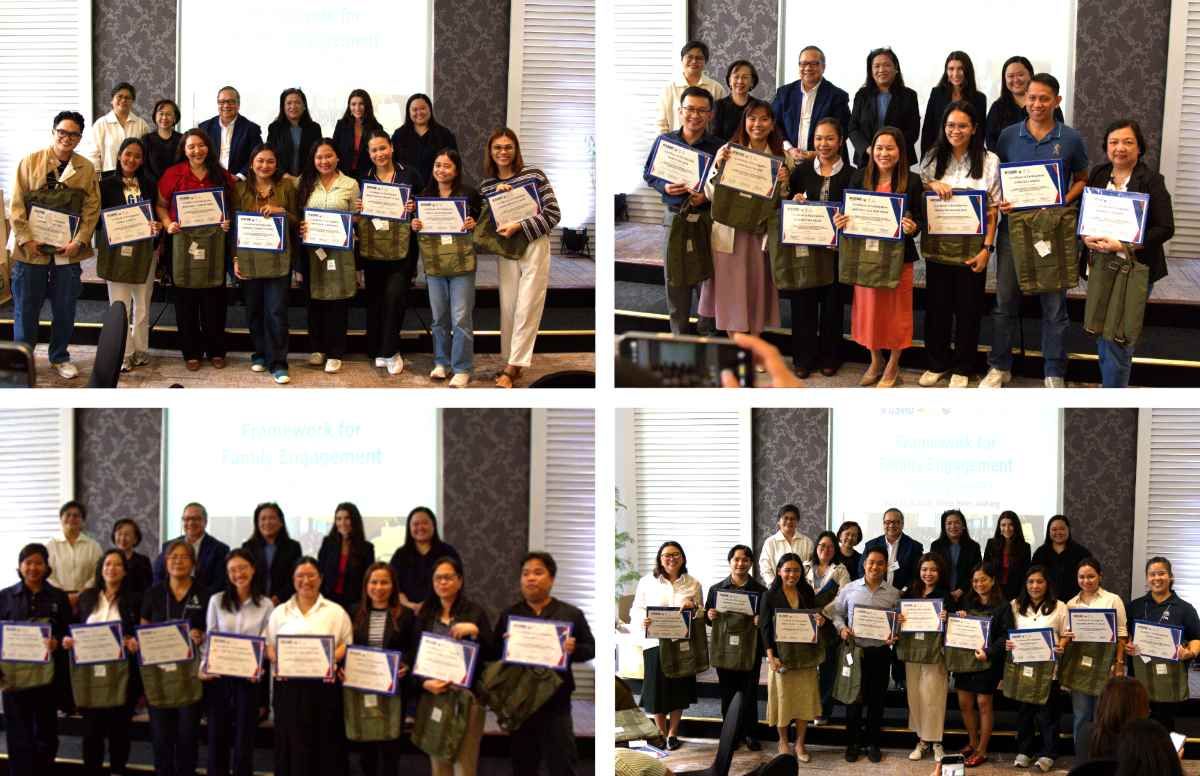 Participants who completed the FFE Training of Trainers
The training was further enriched by the sharing of Shechem’s Children Home during the pilot-testing of FFE which yielded positive reunification of survivors with safe families, the testimony of a survivor leader who emphasized the irreplaceable role of family and the reflections of the participants based on their experiences and mandates.
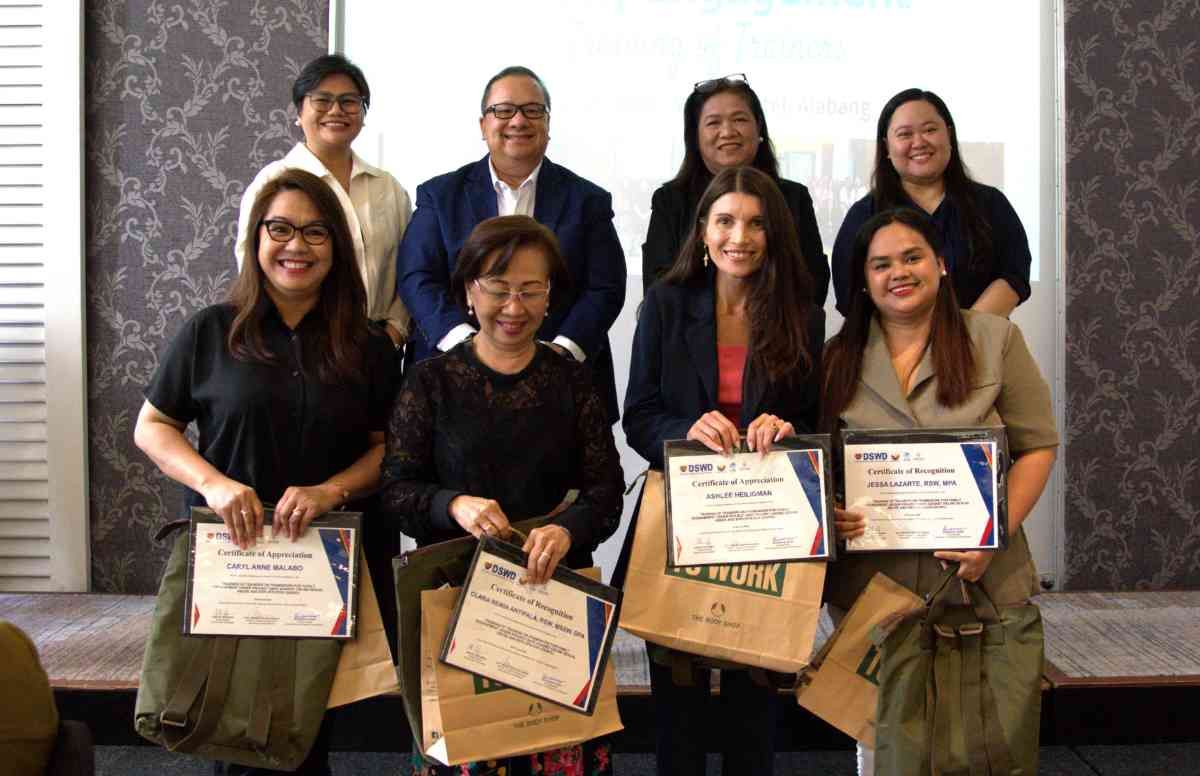
Ashlee Heiligman of GCA also formally recognized and awarded IJM’s FFE Trainers having successfully completed an advanced training and for serving as lead trainers during the October 2025 Pilot FFE Training and the June 2026 FFE Training of Trainers. The IJM Trainers will continue to support the newly trained trainers as they prepare for and conduct future FFE rollout training.
 A New Approach, a New Way Forward
The Framework for Family Engagement reflects a broader shift in child welfare toward family-based care rather than long-term residential care. Through structured assessments, trauma-informed interventions, and collaborative planning, practitioners help children rebuild trust, strengthen family relationships, and prepare for safe reunification or other permanent family solutions that prioritize their best interests.
The training concluded with participants committing to implementation plans within their respective organizations and communities. This was followed by the awarding of certificates recognizing their readiness to begin expanding the framework’s reach.
Milfe Mytha Deles, Center Head of Compassionate Hope Foundation, shared that the training encouraged her to think beyond the walls of residential care and appreciate the importance of permanency. While Marlene Guzman, SWO IV of DSWD NCR shared that the training prompted them as participants to revisit and reassess their case management practices, particularly the integration of FFE principles into child welfare interventions.
Representing NACC, Ms. Christine De Leon reflected on the discussions surrounding childhood trauma and healing. She emphasized that children who have experienced trauma are not permanently broken, inherently bad, or damaged. Rather, trauma affects their development and behavior in ways that require understanding, patience, and support. She shared her belief that through nurturing relationships, safe environments, and consistent care, children can heal and thrive. She also noted that while residential care serves an important protective function, placement in a shelter does not entirely eliminate risks faced by children. Without diminishing the role of residential care institutions, she emphasized the importance of recognizing both the strengths and limitations of institutional care and continuing to explore family-based alternatives whenever safe and appropriate.
As the Philippines continues to strengthen its response to child abuse, exploitation, and neglect, the partnership among DSWD, IJM Philippines, and Global Child Advocates proves the power of collaboration in building systems that place children and families at the center of protection efforts. By equipping frontline professionals with practical tools and shared standards, the organizations are helping create lasting pathways to healing, belonging, and hope for children who need them most.
The event concluded with closing messages from Atty. Noel Eballe, IJM’s Director of National Advocacy, Ms. Marilyn Moral, Director of DSWD STB, Ms. Darlene R. Dancel, Chief of the Design and Formulation Division of DSWD STB and Ms. Dorina Lana, Program Director of Consuelo Zobel Alger Foundation.
"The framework offers practical tools and approaches that can strengthen family engagement, permanency planning, and family-based care interventions. As Project SAFE continues to expand its coverage to additional areas, efforts are also being undertaken to secure resources and budget support for future FFE rollout trainings,” says Chief Darlene Dancel. She expressed hope that the participants would continue to support these initiatives and become part of the growing pool of FFE trainers who can help build the capacity of child welfare practitioners across different regions.
In Director Moral’s closing remarks, she recognized the valuable partnership among DSWD, IJM, LGUs, and NGO partners in advancing family engagement and permanency efforts for children. “Completing the training marks the beginning of an important role as advocates and champions of FFE. As you return to your respective organizations and communities, I encourage you to apply and share the learning to help strengthen families, support survivors, and promote lasting permanency outcomes for children.” Director Moral said.
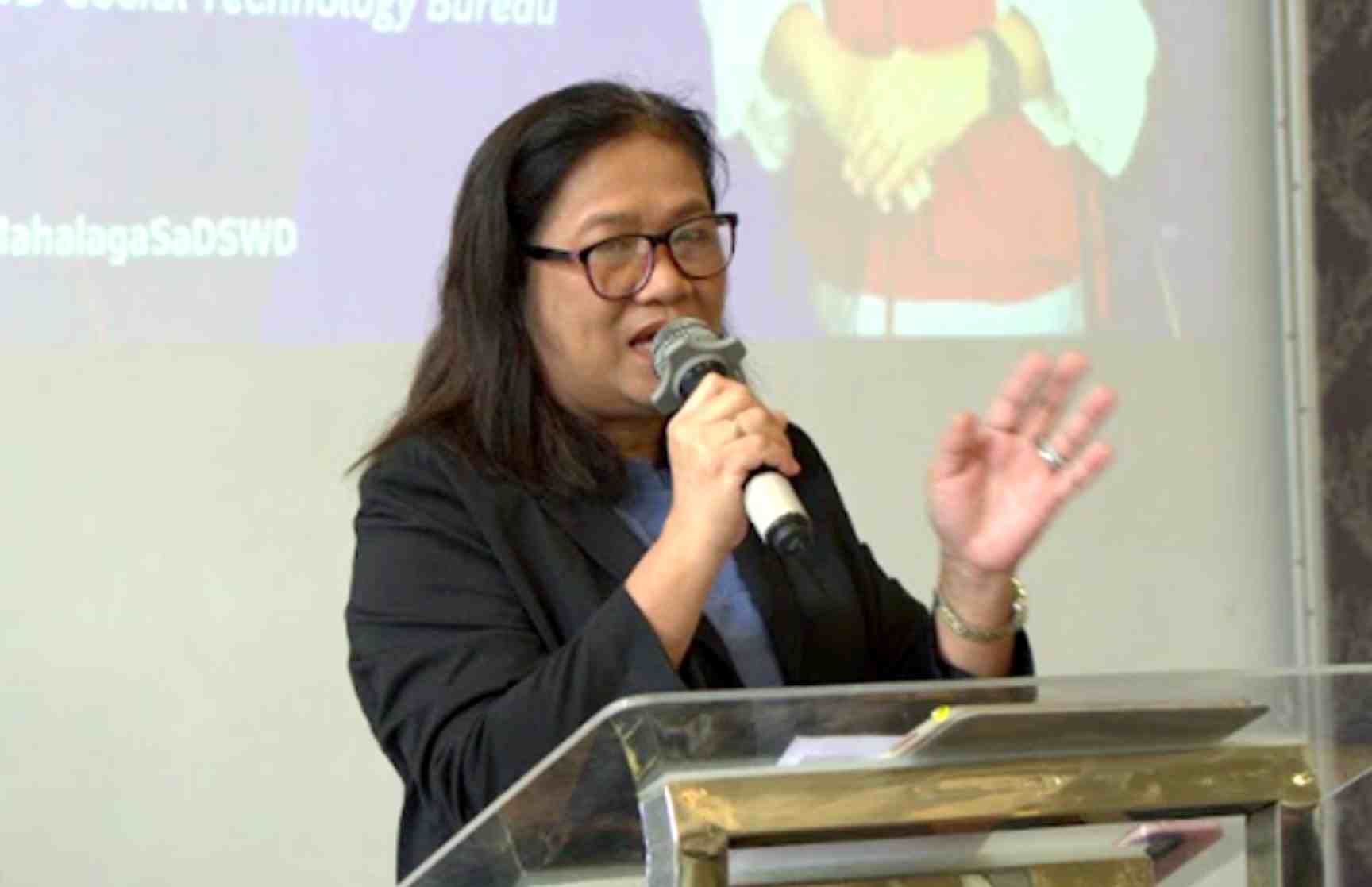 Director Moral as she delivers her message during the FFE Training of Trainers closing program.
Ms. Lana expressed her sincere gratitude for the opportunity to participate in the Framework for FFE Training of Trainers and for the wealth of knowledge shared throughout the learning sessions. She shared that the principles of FFE deeply resonated with the philosophy of their organization, particularly the concept of “Ohana,” which emphasizes family, belonging, and the belief that no one should be left behind.
Atty. Eballe also highlighted that while “the Framework for Family Engagement does not disregard existing risks and challenges, it equips practitioners with approaches to assess and manage these risks thoughtfully and responsibly.” He acknowledged that residential care facilities continue to play an important role in child protection when necessary. However, he emphasized that long-term residential care should not be viewed as the ultimate goal, as children thrive best when they are able to grow within safe and nurturing family environments.